April 16, 2026

Year: 2025

Buying Bitcoin with credit cards is increasingly popular, but often involves one-time passwords (OTPs). This guide explores the exciting world of bypassing OTPs, examining the methods and security implications. We’ll delve into the mechanics of credit card Bitcoin purchases, contrasting them with the OTP-required process.

Navigating the world of cryptocurrency transactions can be complex. This guide aims to provide a clear and concise understanding of buying Bitcoin with credit cards without OTPs, offering insights into the available platforms and potential risks.

Understanding Bitcoin Purchases

Bitcoin, a decentralized digital currency, has gained significant popularity. Acquiring Bitcoin involves navigating various platforms and methods, each with its own set of advantages and disadvantages. Understanding these nuances is crucial for secure and efficient transactions.Buying Bitcoin, in essence, involves exchanging fiat currency (like USD or EUR) for Bitcoin. This exchange typically occurs through a platform that facilitates the transaction.

The process can be straightforward, but it’s essential to be aware of potential risks and employ secure practices.

Bitcoin Acquisition Methods

Several methods exist for acquiring Bitcoin. Direct peer-to-peer transactions, often involving a third-party platform for escrow, offer flexibility. However, this method carries higher risk. More commonly, individuals utilize dedicated Bitcoin exchanges, which provide a regulated and transparent environment. Some platforms offer instant purchasing options, while others may require verification processes.

Bitcoin Exchanges and Platforms

Numerous platforms facilitate Bitcoin purchases. Key considerations include security measures, transaction fees, and user reviews. Exchanges vary in their user interfaces, trading features, and support options. Platforms catering to specific needs, like high-volume traders or those focused on security, are also available. Choosing the right platform requires careful research and evaluation of individual requirements.

Comparison of Bitcoin Exchanges

Platform Fees Security Measures User Reviews
Coinbase Variable, often tiered based on transaction volume Multi-factor authentication, cold storage, insurance Generally positive, praised for ease of use and security
Kraken Variable, often tiered based on transaction volume Advanced security protocols, cold storage, 2FA Positive reviews, known for advanced trading features
Binance Variable, often tiered based on transaction volume Robust security measures, advanced trading features Mixed reviews, popular for high-volume trading, but some concerns about user experience
Gemini Variable, often tiered based on transaction volume Strong security, customer support Positive reviews, recognized for user-friendly interface and security

The table above provides a basic overview of common Bitcoin exchange platforms. Actual fees, security measures, and user reviews may vary based on individual experiences and usage patterns.

Security Practices When Buying Bitcoin

Robust security measures are essential when engaging in Bitcoin transactions. Using strong passwords, enabling two-factor authentication (2FA), and avoiding suspicious links or websites are crucial. Regularly monitoring account activity and promptly reporting any suspicious activity are equally important steps to safeguard your digital assets.

The Role of OTP in Bitcoin Transactions

One-time passwords (OTPs) play a crucial role in securing online transactions, particularly in the realm of cryptocurrency like Bitcoin. Their temporary nature and unique code structure make them a powerful tool against unauthorized access. This is especially important in Bitcoin purchases, where the risk of fraudulent activity is ever-present.The primary function of OTPs in online transactions is to add an extra layer of security beyond traditional login credentials.

This added security is essential for protecting sensitive information like account details and transaction data. The unique nature of each OTP, generated and used only once, greatly reduces the potential for misuse in the event of a compromised account or system breach.

Purpose and Function of OTPs

OTPs are short, randomly generated codes that are sent to a user’s registered device (typically a phone or email) for verification purposes. This verification step ensures that the user initiating the transaction is indeed the legitimate account holder. The time-sensitive nature of OTPs is a key security feature. Once used, the code is no longer valid, minimizing the impact of a potential security breach.

How OTPs Enhance Security in Bitcoin Purchases

OTPs significantly bolster the security of Bitcoin purchases by adding a crucial authentication step. This step prevents unauthorized access to accounts and protects funds from theft. By requiring an OTP for every transaction, users are better protected against phishing attacks, malware, and other malicious activities. The unique nature of each OTP mitigates the risk of account takeover, a common threat in online environments.

Alternative Security Measures Used Instead of OTPs

Alternative security measures, while not replacing the effectiveness of OTPs, can still contribute to a robust security posture. These include two-factor authentication (2FA) using hardware tokens, biometric authentication methods (like fingerprint or facial recognition), and strong passwords with regular updates. These methods, when combined with OTPs, create a multi-layered security approach that makes unauthorized access far more difficult.

Comparison of OTP Methods

Different OTP methods vary in their security and usability. SMS-based OTPs, while readily available, are vulnerable to SIM swapping attacks. App-based OTPs, on the other hand, offer more robust security by leveraging the app’s security features. Hardware tokens provide a high level of security but may not be as convenient as other methods. The choice of OTP method depends on the specific security requirements and the user’s comfort level.

Security Protocol Comparison

Security Protocol Mechanism Security Level Usability
SMS-based OTP OTP sent via SMS Medium High
App-based OTP OTP generated by an authenticator app High High
Hardware Tokens Physical token generates OTP Very High Medium
Biometric Authentication Fingerprint/Facial Recognition Very High High

Buying Bitcoin without OTP

Purchasing Bitcoin without a one-time password (OTP) presents a significant security risk. While some platforms may offer this option, it’s crucial to understand the trade-offs involved. The absence of OTP verification fundamentally weakens the security posture of the transaction process.Platforms that facilitate Bitcoin purchases without OTPs often employ alternative authentication methods. These methods may vary, potentially increasing or decreasing the level of security depending on their design and implementation.

The absence of a strong, time-sensitive OTP makes it easier for malicious actors to potentially compromise the system.

Bitcoin Purchase Platforms Bypassing OTPs

Some platforms might bypass OTP verification for various reasons, often related to ease of use for customers. These platforms may offer simplified registration and purchasing processes, but it’s essential to weigh the advantages against the security risks. These platforms may employ alternative security measures to compensate for the absence of OTPs. However, the effectiveness of these alternative methods is not universally guaranteed.

Alternative Authentication Methods

These platforms typically use alternative authentication methods to verify user identities and transactions. These methods can include:

  • Multi-factor authentication (MFA) using different factors like a password and a security token.
  • Biometric verification, such as fingerprint or facial recognition.
  • Knowledge-based authentication (KBA), which asks users security questions related to their accounts.

The use of these alternative methods is intended to provide a level of security equivalent to or superior to the one provided by OTPs, though they often fall short.

Security Implications of Bypassing OTP Verification

Bypassing OTP verification significantly reduces the security of Bitcoin transactions. The lack of a time-sensitive, unique code makes it easier for attackers to potentially gain unauthorized access to accounts. This is because OTPs are designed to thwart automated attacks and unauthorized access by rapidly changing, and are difficult to predict.

Comparison of Platform Security Features

The table below compares different platforms in terms of security features, considering the absence of OTPs.

Platform OTP Verification Alternative Authentication Security Features Ease of Use
Platform A No Strong MFA with a physical token High Medium
Platform B No Biometric verification and KBA Medium High
Platform C No Simple password and email confirmation Low High

Common Security Risks

Some common security risks associated with platforms that don’t use OTPs include:

  • Phishing attacks: Attackers may try to trick users into revealing their login credentials or account information, even without OTPs.
  • Brute-force attacks: Without OTPs, attackers can attempt to guess user passwords, especially if passwords are weak or easily guessed.
  • Man-in-the-middle attacks: Attackers might intercept communications between the user and the platform, potentially stealing sensitive information.

Impact on Bitcoin Transaction Security

The absence of OTP verification weakens the security of Bitcoin transactions. Without the added layer of security provided by a unique, time-sensitive code, users are more vulnerable to unauthorized access and fraudulent activities. The risk of a compromised account is amplified without an OTP verification process.

General Information on Buying Bitcoin

Bitcoin, a decentralized digital currency, has captivated the attention of investors and financial enthusiasts worldwide. Its unique characteristics, including its limited supply and the potential for high returns, have driven significant interest in its use as a store of value and a medium of exchange. Understanding its history, value proposition, and associated risks is crucial for anyone considering investing in this innovative asset.Bitcoin’s value is derived from its scarcity and the cryptographic security that underpins its transactions.

Its decentralized nature means it isn’t controlled by any central authority, a feature that some view as a key advantage. However, this also introduces a degree of volatility not seen in traditional currencies. Bitcoin’s price is influenced by various factors, including market sentiment, regulatory developments, and technological advancements.

Bitcoin’s Genesis and Evolution

Bitcoin was introduced in 2009 by an unknown person or group of people under the pseudonym Satoshi Nakamoto. Its creation was motivated by the desire to create a peer-to-peer electronic cash system that was not subject to the control of banks or governments. Over the years, the network has grown exponentially, with millions of users globally participating in its transactions and development.

Its evolution has been marked by periods of significant price fluctuations, technological advancements, and regulatory scrutiny.

Benefits of Investing in Bitcoin

Bitcoin offers potential for high returns, particularly during periods of market growth. Its decentralized nature is seen as a strength by many, as it is not subject to the same regulations and limitations as traditional currencies. The technology behind Bitcoin, blockchain, offers a robust and secure platform for transactions.

Drawbacks of Investing in Bitcoin

The price of Bitcoin is highly volatile, making it a risky investment. The technology behind Bitcoin is complex and can be difficult to understand, and security breaches or technical issues can affect the network. Regulations regarding Bitcoin are still evolving and vary across jurisdictions, which can pose challenges for investors.

Legal and Regulatory Aspects of Bitcoin Ownership

Legal frameworks surrounding Bitcoin ownership and transactions are still developing in many parts of the world. Some jurisdictions have embraced Bitcoin, while others have taken a more cautious approach. Regulations vary significantly and may involve taxes, licensing, and compliance requirements. It is crucial for investors to understand the legal landscape in their specific jurisdiction before engaging in Bitcoin transactions.

Bitcoin Price Volatility

Bitcoin Price ChartThe graph displays Bitcoin’s price fluctuations over time. Note the periods of significant price increases and declines, highlighting the volatility of this asset class. Investors should carefully consider the risk of substantial price swings when making investment decisions.

Setting Up a Bitcoin Wallet

Setting up a Bitcoin wallet involves several steps. First, choose a suitable wallet type (e.g., software, hardware, or mobile). Next, create a strong password or recovery phrase. Ensure your chosen wallet supports secure encryption and complies with relevant security standards. Security is paramount, and following best practices is essential to protect your Bitcoin holdings.

  • Choosing a Wallet: A wide variety of wallets are available, catering to different security needs and user preferences. Consider factors such as ease of use, security features, and compatibility with your devices.
  • Generating Keys: Cryptographic keys are essential for securing your Bitcoin holdings. Properly managing and safeguarding these keys is crucial to prevent loss or unauthorized access.
  • Security Measures: Implement robust security protocols to protect your wallet and funds. This includes using strong passwords, enabling two-factor authentication, and avoiding suspicious websites or applications.

“Bitcoin investment carries significant risks, including substantial price fluctuations, regulatory uncertainties, and security vulnerabilities. Thorough research and a well-defined investment strategy are crucial for mitigating these risks.”

Specific Examples of Bitcoin Purchases

Bitcoin purchases, particularly those involving credit cards, often raise concerns about security. Understanding the nuances of these transactions, including the role of one-time passwords (OTPs), is crucial for making informed decisions. This section explores various scenarios, highlighting both secure and risky practices.

Case Study: A Bitcoin Purchase with a Credit Card without OTP

A hypothetical user, “Alice,” attempted to buy Bitcoin using a credit card without the OTP. Alice encountered a fraudulent website mimicking a legitimate exchange. She entered her credit card details and proceeded without the OTP verification. Unfortunately, her account was compromised, and the Bitcoin was stolen. This case underscores the critical importance of OTPs in protecting against unauthorized access.

Example of a Secure Bitcoin Purchase using a Credit Card

A secure Bitcoin purchase involves a reputable exchange, adherence to security protocols, and utilization of OTPs. “Bob,” a cautious buyer, chose a known and trusted Bitcoin exchange platform. The platform employed robust security measures, including two-factor authentication (2FA), which prompted Bob to receive an OTP via SMS or email after entering his credit card information. This added layer of security significantly reduced the risk of unauthorized access.

Case Study: Risks Associated with Bypassing OTP Security

Bypassing OTP security significantly increases the risk of fraudulent activities. A common scenario involves malicious actors creating counterfeit websites mimicking legitimate platforms. These fraudulent sites lure users into entering their sensitive financial information, including credit card details and passwords, without OTP verification. Without this vital security step, users expose themselves to identity theft and financial loss. A user might lose their Bitcoin or have their credit card details compromised.

Methods for Safely Storing and Managing Bitcoin

Securely storing and managing Bitcoin is crucial for safeguarding investments. A variety of methods exist, each with its own level of security and complexity. A secure wallet, either a hardware wallet or a software wallet, provides a secure and encrypted environment to store private keys, the cryptographic keys that control access to your Bitcoin. Regular backups and password protection are vital for maintaining the safety of your holdings.

Summary of Bitcoin Wallets

Wallet Type Features Security Ease of Use
Hardware Wallet Offline storage, enhanced security, physical protection High Moderate
Software Wallet (Desktop) Software-based, potentially more control, greater flexibility Medium High
Software Wallet (Mobile) Convenience, accessibility, often integrated with exchanges Medium High
Online Wallet (Exchange) Integration with exchanges, ease of access Low (dependent on exchange security) High

Ending Remarks

In conclusion, buying Bitcoin with a credit card without OTPs presents a unique set of opportunities and risks. While convenience is often a draw, it’s crucial to weigh the security implications carefully. This guide has highlighted the diverse methods and platforms available, allowing readers to make informed decisions about their Bitcoin purchases.

Essential Questionnaire

What are the common security risks when bypassing OTP verification for Bitcoin purchases?

Bypassing OTPs significantly increases the risk of unauthorized access to your Bitcoin wallet. This is because OTPs are a crucial layer of security, acting as a second factor authentication. Without them, your transactions become more vulnerable to hacking and fraudulent activities.

What are the advantages of using credit cards for Bitcoin purchases?

Credit cards provide a convenient way to buy Bitcoin quickly. They also offer buyer protection in certain circumstances, although this varies by platform and jurisdiction. However, the fees associated with credit card transactions are often higher than other payment methods.

Are there any legal implications for buying Bitcoin without OTPs?

The legal implications of bypassing OTP verification for Bitcoin purchases can vary by jurisdiction. It’s essential to research the regulations in your area to ensure compliance. Some jurisdictions may not have specific regulations related to OTPs for cryptocurrency transactions.

What are some alternative security measures to OTPs for Bitcoin transactions?

Alternative security measures include two-factor authentication using authenticator apps, hardware security keys, and biometric verification. These methods provide similar security levels to OTPs but with different implementations.

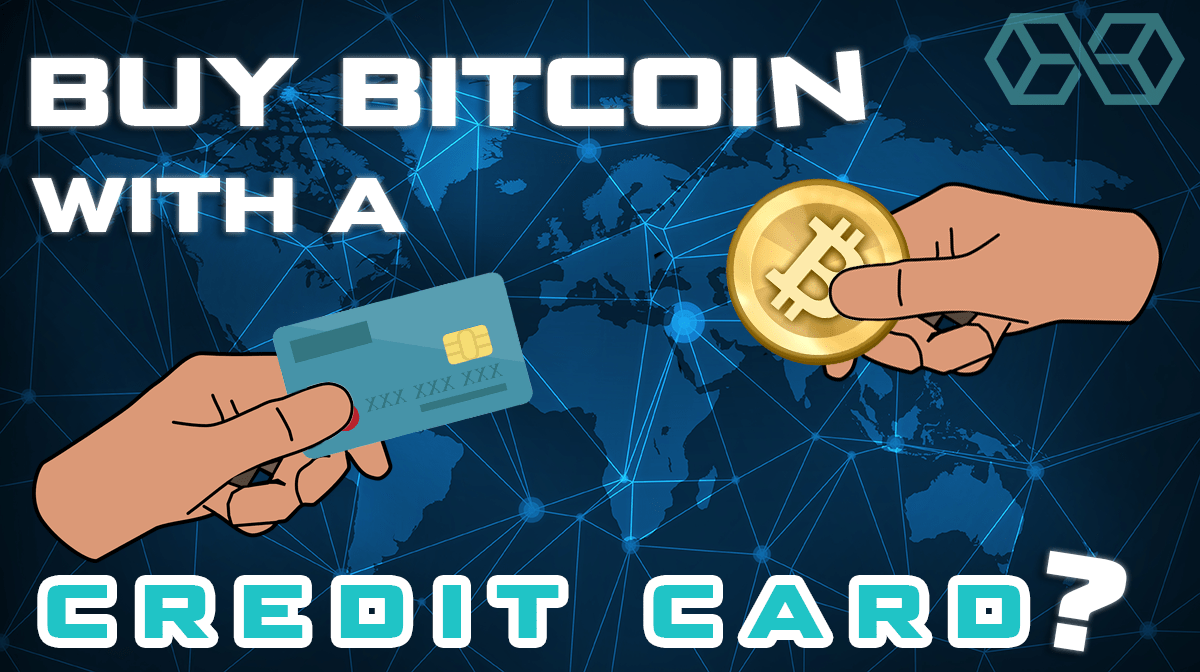
Purchasing Bitcoin with a credit card on Binance is a popular method for new users. This comprehensive guide explores the process, security considerations, and alternatives to credit cards. Understanding the nuances of this transaction is key to making informed decisions in the digital asset market.

This article delves into the specifics of using credit cards on Binance to buy Bitcoin, including the steps involved, security measures, potential risks, and common problems. We also compare Binance to other platforms and highlight alternative payment methods.

Bitcoin Purchasing Methods

Buying Bitcoin involves various methods, each with its own advantages and disadvantages. Understanding these options allows you to choose the method best suited to your needs and risk tolerance. This section details the common approaches, providing insights into the steps, fees, security, and speed associated with each.Bitcoin purchases are often associated with a variety of methods, from exchanges to peer-to-peer platforms.

Selecting the appropriate method hinges on factors such as transaction speed, cost, and personal security preferences. Understanding the nuances of each method will allow you to make informed decisions.

Direct Exchange Purchases

Direct exchanges, like Binance, Coinbase, and Kraken, provide a straightforward platform for buying Bitcoin. These platforms typically have user-friendly interfaces and often offer various payment methods.

  • Steps Involved: Create an account, verify your identity, deposit funds using supported methods (e.g., bank transfer, credit/debit card), and then place a market or limit order to purchase Bitcoin.
  • Pros: Ease of use, broad payment options, and generally high liquidity.
  • Cons: Potential for higher fees compared to other methods, and security relies on the exchange’s security measures.

Peer-to-Peer (P2P) Transactions

P2P platforms connect buyers directly with sellers, often enabling faster transactions and potentially lower fees. However, due to the direct nature, extra caution is needed.

  • Steps Involved: Find a seller on a P2P platform, negotiate the price and payment method, and finalize the transaction. This often involves meeting in person to exchange the Bitcoin and funds, or using escrow services.
  • Pros: Potentially lower fees than exchanges and the ability to use various payment methods.
  • Cons: Increased risk of scams or fraudulent activity, and you are responsible for verifying the seller’s legitimacy. It’s often slower to complete than exchange purchases.

Over-the-Counter (OTC) Trading

OTC platforms allow for larger transactions between buyers and sellers. This method typically involves more personalized service and can be suitable for significant Bitcoin investments.

  • Steps Involved: Contact a broker or platform, negotiate the terms, and complete the transaction, often through bank transfers or other secure methods.
  • Pros: Ideal for large-scale purchases, potential for personalized service and potentially lower fees.
  • Cons: Often more complex, requires more due diligence on the buyer’s part to ensure the legitimacy of the seller and the security of the transaction process.

Comparison Table

Method Fees Security Speed
Direct Exchange Moderate to High High (if exchange is reputable) Moderate
P2P Low to Moderate Low (buyer/seller risk) Variable
OTC Low to Moderate (often negotiable) Moderate to High (if broker is reputable) Variable

Binance Platform Features

How Can You Buy Bitcoin with Credit Card or Debit Card - Techicy

Binance stands out as a prominent cryptocurrency exchange platform, known for its extensive features and user-friendly interface. This section delves into the specifics of purchasing Bitcoin on Binance, highlighting its available payment methods, security protocols, and any potential limitations.Purchasing Bitcoin on Binance is a straightforward process. Users can initiate the transaction through the platform’s intuitive interface, selecting Bitcoin as the desired asset and specifying the amount they wish to acquire.

Bitcoin Purchasing Process

The process of purchasing Bitcoin on Binance typically involves these steps:

  • Accessing the Binance platform and logging in to your account.
  • Navigating to the trading or buying page, where Bitcoin is usually prominently displayed.
  • Selecting the desired amount of Bitcoin to purchase.
  • Choosing the preferred payment method, such as a credit card.
  • Reviewing the transaction details, including the exchange rate and total cost, and confirming the purchase.

Available Payment Options

Binance offers a diverse range of payment methods, catering to various user preferences. Credit card purchases are one option, alongside other methods such as bank transfers, and various digital wallets.

  • Credit Cards: Binance accepts certain credit cards for Bitcoin purchases, though the specific cards supported may vary. This method is often convenient for users who prefer a quick and easy transaction method.
  • Bank Transfers: Direct bank transfers provide a secure and traditional method for depositing funds into your Binance account, enabling purchases of Bitcoin.
  • Other Digital Wallets: Users can often utilize various digital wallets to facilitate Bitcoin transactions, offering flexibility and control over funds.

Security Measures

Binance implements robust security measures to protect user funds and transactions. These measures aim to safeguard against unauthorized access and fraudulent activities.

  • Two-Factor Authentication (2FA): Enabling 2FA adds an extra layer of security to your account, requiring a second verification step beyond your password.
  • Security Audits: Binance regularly undergoes security audits to identify and address potential vulnerabilities.
  • Transaction Encryption: Binance utilizes encryption protocols to secure the transmission of sensitive data during transactions.

Limitations and Restrictions

While credit card purchases are generally accepted on Binance, certain limitations might apply. These restrictions could include transaction limits, geographic restrictions, or specific card types.

  • Transaction Limits: Binance may impose daily or monthly limits on the amount of Bitcoin that can be purchased using credit cards.
  • Geographic Restrictions: Depending on your location, certain credit card options may not be supported for Bitcoin purchases.
  • Card Type Restrictions: Specific credit card types may not be accepted for Bitcoin purchases on Binance.

Navigating the Binance Platform

Binance’s platform is designed with a user-friendly interface, making it easy to navigate for purchasing Bitcoin.

  • Homepage Navigation: The platform’s homepage typically displays prominent links to trading and buying options.
  • Search Functionality: Binance usually provides search tools to locate specific assets, such as Bitcoin, quickly.
  • Clear Instructions: Step-by-step instructions and prompts often guide users through the purchase process.

Comparison Table

Feature Binance Other Platforms
User Interface Intuitive and user-friendly, with clear instructions. Can vary, some may be less user-friendly.
Payment Options Wide range, including credit cards. May offer a more limited selection of payment methods.
Security Measures Robust security protocols, including 2FA. Security measures can vary significantly between platforms.
Fees Binance typically charges fees for transactions, usually competitive. Other platforms may have different fee structures.
Customer Support Generally, Binance provides customer support channels. Customer support availability and quality may vary.

Credit Card Usage for Bitcoin Purchases

Using credit cards to buy Bitcoin on Binance is a convenient option, but it’s essential to understand the specifics, potential risks, and best practices to ensure a smooth and secure transaction. This section details the requirements, processes, and considerations for leveraging this payment method.Using credit cards for Bitcoin purchases on Binance offers a straightforward way to acquire the cryptocurrency.

However, it’s crucial to be aware of the involved processes and potential risks to mitigate any issues.

Specific Requirements for Credit Card Use

Binance has specific requirements for credit cards used for Bitcoin purchases. These requirements ensure security and compliance. Understanding these requirements is crucial for a seamless transaction.

Linking a Credit Card to a Binance Account

The process of linking a credit card to your Binance account is relatively straightforward. Follow these steps for a secure and efficient linking process.

  1. Log in to your Binance account.
  2. Navigate to the “Payment” or “Wallet” section, depending on the Binance interface.
  3. Select the option to add a new payment method.
  4. Choose “Credit Card” as the payment method.
  5. Enter the required credit card details, including card number, expiration date, CVV, and other relevant information.
  6. Binance will perform security checks and verifications to ensure the card’s authenticity and your account’s legitimacy.
  7. Once verified, the credit card will be linked to your Binance account, enabling you to use it for Bitcoin purchases.

Potential Risks and Mitigation Strategies

Using credit cards for cryptocurrency purchases involves inherent risks. These risks stem from the volatile nature of cryptocurrencies and the potential for fraud. Proper risk mitigation is paramount.

  • Fraudulent Activity: Be cautious of phishing attempts and fraudulent websites mimicking Binance’s platform. Always double-check the URL of the platform to ensure it’s legitimate. Use strong passwords and enable two-factor authentication (2FA) for added security.
  • Transaction Fees: Different credit cards may charge different fees for cryptocurrency transactions. Research and compare fees to find the most favorable option.
  • Security Breaches: Maintain strong passwords, enable 2FA, and avoid using public Wi-Fi for sensitive transactions. Regular account monitoring is essential to detect any suspicious activity promptly.

Best Practices for Securing Transactions

Secure transactions are essential when using credit cards for Bitcoin purchases. Employing best practices is crucial to safeguarding your financial information and preventing fraud.

  • Use strong passwords and enable 2FA: Strong passwords and 2FA provide an additional layer of security against unauthorized access.
  • Avoid using public Wi-Fi: Public Wi-Fi networks are susceptible to security breaches. Use a secure and private network for transactions.
  • Review transaction details carefully: Double-check the amount, recipient, and other transaction details before confirming any purchase.

Common Problems Faced by Users

Users might encounter several problems when using credit cards for Bitcoin purchases. Addressing these issues promptly can resolve potential complications.

  • Verification Issues: Sometimes, credit card verification processes may fail due to discrepancies in information or security checks. Ensure all details are accurate and up-to-date to avoid verification failures.
  • Transaction Delays: Transaction delays can occur due to various factors, including network congestion or processing time. Monitor the status of your transaction and contact Binance support if necessary.
  • Incorrect Card Information: Incorrect credit card information can lead to transaction failures. Double-check the details before submitting them to ensure accuracy.

Comparison of Credit Card Options

Different credit cards offer varying features and benefits for Bitcoin purchases. Comparing these options helps users select the best fit for their needs.

  • Interest Rates: Credit cards with lower interest rates might be advantageous if you plan to hold Bitcoin for an extended period.
  • Transaction Fees: Different credit cards charge different transaction fees for cryptocurrency purchases. Compare fees to find the most favorable option.
  • Rewards Programs: Some credit cards offer rewards programs that could provide additional benefits, like cashback or points, for cryptocurrency transactions.

Common Credit Card Providers Supporting Bitcoin Purchases

The table below highlights some providers supporting Bitcoin purchases. Note that this list isn’t exhaustive, and availability can change.

Provider Fees Verification
Visa Typically, Visa credit card transactions have a standard percentage-based fee. Verification typically involves checking card details and identity.
MasterCard Similar to Visa, MasterCard transactions usually have a standard percentage-based fee. Verification typically involves checking card details and identity.
American Express American Express often charges a higher percentage-based fee compared to other cards. Verification procedures might vary slightly compared to Visa or MasterCard.

General Bitcoin Buying Information

Bitcoin, a decentralized digital currency, has gained significant traction as a global asset. Understanding its history, characteristics, and various associated aspects is crucial for potential investors. This section delves into the fundamentals of purchasing bitcoin.Buying bitcoin involves more than just a simple transaction; it necessitates an understanding of the underlying technology and security measures. From the concept of digital assets to the evolution of the bitcoin network, this section provides a comprehensive overview.

Bitcoin as a Digital Asset

Bitcoin operates as a digital asset, distinct from traditional currencies. It exists entirely in a digital form, recorded and verified on a distributed ledger called the blockchain. This decentralized nature removes the need for intermediaries, enabling peer-to-peer transactions. The value of bitcoin is determined by market forces, influenced by supply and demand, as well as speculation and adoption.

History and Evolution of Bitcoin

Bitcoin’s journey began with the creation of its whitepaper by Satoshi Nakamoto, a pseudonymous individual or group. This groundbreaking concept revolutionized the financial landscape, offering a novel approach to digital currency. Its evolution has seen continuous development, upgrades, and adaptation to evolving technological advancements. The initial release marked the beginning of a journey that continues to shape the financial future.

Adoption by businesses and governments has varied globally, reflecting the complexities of integrating this new asset class.

Different Types of Bitcoin Wallets

Bitcoin wallets are essential for storing and managing digital bitcoin. Different types cater to various needs and levels of security. Understanding these differences is vital for making informed decisions.

Bitcoin Wallet Comparison

Wallet Pros Cons
Desktop Wallets Generally secure, offer full control, often user-friendly interface for basic users. Can be susceptible to malware if not properly secured; often require significant technical expertise for advanced users.
Mobile Wallets Convenient, readily available access from smartphones, user-friendly interface for basic users. Potentially less secure than desktop wallets if not correctly secured; vulnerability to phone loss or theft.
Online Wallets Accessibility from anywhere with internet connection; ease of use. Security concerns, as custody is with a third party; potential for hacking or platform failures.
Hardware Wallets High security, offline storage, secure and resilient to hacking. Can be more expensive than other types; require technical knowledge for setup and use.
Paper Wallets Low cost, complete control, high security when stored properly. Vulnerable to damage or loss; requires careful handling to prevent damage.

Security Considerations

Bitcoin transactions, while offering potential benefits, come with inherent security risks. Understanding these risks and implementing robust security practices is crucial for protecting your investments and personal information. This section details vital security measures to safeguard your Binance account and Bitcoin holdings.Implementing strong security measures is paramount when dealing with cryptocurrencies. Neglecting these measures can lead to significant financial losses and identity theft.

By diligently following the recommended practices, you can substantially reduce the risk of compromise and maintain the integrity of your crypto assets.

Strong Passwords and Two-Factor Authentication

Strong passwords are the first line of defense against unauthorized access. Employing a unique, complex password for your Binance account is essential. This password should be a combination of upper and lowercase letters, numbers, and symbols. Avoid using easily guessable passwords like birthdates, names, or common phrases. Consider using a password manager to generate and store strong passwords securely.

Two-Factor Authentication (2FA) adds an extra layer of security. By enabling 2FA, you require a second verification method, such as a code from a dedicated app, alongside your password, significantly enhancing security. This prevents unauthorized access even if someone gains your password.

Phishing and Scams

Phishing scams and fraudulent activities are common threats in the cryptocurrency space. These scams often involve fraudulent emails, messages, or websites designed to trick users into revealing sensitive information, such as login credentials or private keys. Be cautious of unsolicited emails or messages promising high returns or claiming security issues with your account. Verify the authenticity of any communication or request for information by directly checking the official Binance website or contacting their support team.

Identifying Fraudulent Activities

Vigilance is key to recognizing fraudulent activities. Be wary of unusual transactions, suspicious messages, or unexpected account alerts. Review your transaction history regularly to identify any unauthorized activity. Look out for emails or messages that contain grammatical errors, poor formatting, or unusual requests. Contact Binance support immediately if you suspect any fraudulent activity.

A proactive approach to monitoring your account activity will help you catch potential threats quickly.

Protecting Your Account from Unauthorized Access

Protecting your account from unauthorized access is critical. Keep your software and operating systems updated to patch any vulnerabilities. Use a reliable antivirus program to scan your device for malware. Do not share your login credentials with anyone, and be cautious about using public Wi-Fi networks for sensitive transactions. Strong password management, regular account monitoring, and proactive security measures are essential to prevent unauthorized access.

Common Security Threats and Preventive Measures

Threat Description Prevention
Phishing Attacks Deceptive emails, messages, or websites designed to steal credentials. Verify the authenticity of communications. Avoid clicking suspicious links.
Malware Software designed to damage or gain unauthorized access to a system. Keep software updated. Use reputable antivirus software.
Brute-force Attacks Repeated attempts to guess passwords. Use strong, unique passwords. Enable two-factor authentication.
Social Engineering Manipulating individuals into divulging sensitive information. Be cautious of unsolicited requests for personal information. Verify the legitimacy of requests.
Weak Passwords Easily guessable passwords. Use strong, unique passwords. Consider using a password manager.
Man-in-the-Middle Attacks Intercepting communication between two parties. Use secure connections (HTTPS). Verify the legitimacy of websites.

Alternatives to Credit Cards

Beyond credit cards, several other methods facilitate Bitcoin purchases on Binance. These alternatives offer varying degrees of convenience, security, and cost, catering to different user preferences and financial situations. Understanding these options empowers informed decisions regarding Bitcoin acquisition.

Alternative Payment Methods

Various payment methods enable Bitcoin purchases beyond credit cards. These alternatives encompass a spectrum of options, each with its own set of advantages and drawbacks. This section details these alternative payment methods, highlighting their strengths and weaknesses.

  • Bank Transfers: Direct bank transfers offer a secure and traditional method for funding Bitcoin purchases. The process typically involves initiating a wire transfer from your bank account to a designated Binance account. This method generally proves secure when conducted through established financial institutions.
  • Debit Cards: Similar to credit cards, debit cards facilitate instant transactions. However, they draw funds directly from your linked bank account, thus avoiding the need for credit lines. This method is convenient for quick purchases, but transaction fees might vary across different payment processors.
  • Cryptocurrency Exchanges: Exchanging one cryptocurrency for another, like Bitcoin, is another route. If you already possess other cryptocurrencies, trading them on platforms like Binance for Bitcoin is a viable alternative. This approach allows for leveraging existing cryptocurrency holdings, but market fluctuations can impact the value received.
  • Peer-to-Peer (P2P) Platforms: P2P marketplaces connect buyers and sellers directly, often utilizing fiat currencies like USD or EUR for Bitcoin transactions. This method allows for potentially lower fees compared to traditional exchanges, but buyers must exercise caution to ensure the seller’s legitimacy and transaction security.
  • E-Wallets: Digital wallets, such as PayPal or other reputable e-wallet providers, offer a streamlined method to facilitate Bitcoin purchases. This approach combines the convenience of online payments with the security of digital transactions. However, e-wallet fees and transaction limitations might vary depending on the provider.

Advantages and Disadvantages

Each alternative payment method comes with a unique set of advantages and disadvantages. Carefully weighing these factors allows users to choose the method best suited to their needs.

  • Bank Transfers: Advantages include security through established banking channels and often lower fees than credit card transactions. Disadvantages include slower transaction speeds compared to other options.
  • Debit Cards: Advantages are speed and convenience, much like credit cards. Disadvantages include potential transaction fees and the requirement of a linked bank account.
  • Cryptocurrency Exchanges: Advantages lie in potentially lower fees than credit card transactions, especially when using existing cryptocurrencies. Disadvantages involve market volatility affecting the value received and security concerns if not transacting on reputable platforms.
  • P2P Platforms: Advantages encompass potentially lower fees than centralized exchanges. Disadvantages include the need for buyer due diligence to verify seller legitimacy and security risks associated with direct transactions.
  • E-Wallets: Advantages include convenience and security of digital transactions. Disadvantages include potential transaction fees and varying transaction limitations depending on the provider.

Reputable Alternative Payment Processors

Choosing reputable payment processors is crucial for secure transactions. Listed below are some well-established providers associated with the aforementioned methods.

  • Major Banks: Using established banks for wire transfers ensures a generally secure process. Specific banks and their associated fees should be researched.
  • Major Credit/Debit Card Providers: Familiar credit and debit card networks ensure a recognized transaction method.
  • Reputable Cryptocurrency Exchanges: Binance, Coinbase, Kraken, and others are widely recognized for secure cryptocurrency transactions.
  • Trusted P2P Platforms: LocalBitcoins and Paxful are examples of established P2P platforms. Carefully research each platform before use.
  • Established E-Wallet Providers: PayPal, and other recognized e-wallet providers.

Transaction Procedures

Procedures for using alternative payment methods vary, but generally involve account setup and verification on Binance. Users should follow the platform’s instructions for each chosen method. Additional procedures may vary depending on the chosen method.

Comparison with Credit Card Transactions

Compared to credit card transactions, alternative methods often offer different advantages and disadvantages in terms of fees, speed, and security. Understanding these differences is crucial for making informed decisions.

Summary Table

Method Fees Security Speed
Bank Transfers Generally Low High Slow
Debit Cards Variable Medium Fast
Cryptocurrency Exchanges Variable Medium to High (depending on platform) Variable
P2P Platforms Potentially Low Medium to Low (buyer due diligence crucial) Variable
E-Wallets Variable Medium Fast

Last Point

In conclusion, buying Bitcoin with a credit card on Binance is a viable option, but users should be aware of the associated risks and security measures. Exploring alternative payment methods and understanding the platform’s specific procedures can help users make informed choices. This guide provides a solid foundation for navigating the complexities of Bitcoin transactions, whether using credit cards or other methods.

Quick FAQs

Can I use any credit card on Binance?

Binance generally accepts major credit cards, but specific acceptance may vary. It’s best to check Binance’s official website for the most up-to-date information on supported cards.

What are the fees associated with using a credit card on Binance?

Binance’s fees for credit card purchases can vary depending on the card type and transaction amount. It’s advisable to review Binance’s fee structure before making a purchase.

What security measures does Binance employ for credit card transactions?

Binance employs various security measures to protect user accounts and transactions, including encryption and fraud detection systems. However, users should also adopt their own security best practices.

What are some alternative payment methods for buying Bitcoin on Binance?

Binance offers various alternative payment methods beyond credit cards, including bank transfers, and various cryptocurrencies. This gives users more choices and flexibility.

Navigating the world of cryptocurrency can be daunting, especially when considering Bitcoin. This guide dives into the realm of YouTube videos dedicated to buying Bitcoin, providing a structured overview of the process, common pitfalls, and helpful resources. From understanding the fundamentals to choosing reliable platforms, we’ll equip you with the knowledge needed to make informed decisions.

The information presented here offers a comprehensive analysis of Bitcoin buying through YouTube, exploring various methods, security concerns, and investment strategies. This resource will assist viewers in identifying trustworthy sources and avoiding common errors.

Introduction to Bitcoin

Bitcoin is a decentralized digital currency, meaning it’s not controlled by any single entity like a central bank. It operates on a peer-to-peer network, allowing users to send and receive payments directly without intermediaries. This system is designed to be secure, transparent, and accessible to anyone with an internet connection.Bitcoin’s primary purpose is to facilitate secure and fast international transactions, independent of traditional financial institutions.

This characteristic is particularly attractive for cross-border payments where transaction fees and delays can be significant.

History and Evolution of Bitcoin

Bitcoin was introduced in 2009 by an anonymous person or group known as Satoshi Nakamoto. The whitepaper outlining the concept of Bitcoin, published in that year, detailed the fundamental principles of the cryptocurrency. Early adoption was limited, but interest grew rapidly as the technology matured and gained recognition. Over time, Bitcoin has evolved from a niche digital currency to a more mainstream asset, attracting both investors and everyday users.

Bitcoin’s price volatility has been a significant aspect of its journey, experiencing both periods of rapid growth and substantial declines. These fluctuations reflect the evolving market perception of the technology and its potential.

Underlying Technology of Bitcoin

Bitcoin utilizes blockchain technology, a distributed ledger system. Each transaction is recorded on a block, which is then linked to the previous block, creating a chain. This decentralized and transparent record ensures the integrity and immutability of the transaction history. The cryptographic hashing function ensures that any alteration to a block is immediately detectable. This system provides a high level of security and transparency for all transactions.

The security is a crucial component of Bitcoin’s operation.

Simple Analogy for Beginners

Imagine a digital ledger that everyone can access and copy. Every time someone sends Bitcoin, this transaction is recorded on the ledger. This ledger is updated and verified by a network of computers, ensuring that no one can alter the record of transactions. Think of it as a shared, immutable account book that everyone can see, but only the authorized parties can make entries.

Fundamental Concepts of Bitcoin Transactions

Bitcoin transactions are based on cryptographic principles. A transaction includes information like the sender’s address, recipient’s address, and the amount being transferred. These transactions are verified by the network and added to the blockchain, ensuring their validity. Public-key cryptography is essential for securing these transactions.

Different Types of Bitcoin Wallets and Security Features

Bitcoin wallets are software or hardware applications used to store and manage Bitcoin. There are various types, each with different security features. The security of the wallet directly impacts the security of the Bitcoin held within it. Offline wallets, for example, are more secure as they aren’t connected to the internet. Online wallets, while convenient, are more vulnerable to hacking.

Comparison of Bitcoin Wallets

Name Features Security Ease of Use
Electrum Open-source, lightweight, and supports multiple coins High, due to offline storage capability Medium
Exodus User-friendly interface, supports multiple cryptocurrencies Medium, relies on user security practices High
Coinbase Popular platform for buying and selling cryptocurrencies Medium, dependent on Coinbase’s security measures High
Ledger Nano S Hardware wallet, offline storage, secure High, physically secure Medium

Note: Security ratings are relative and can vary based on user practices. Ease of use ratings are subjective and depend on individual user familiarity with technology.

Buying Bitcoin

Buying Bitcoin has become increasingly popular, but it’s crucial to understand the process and associated risks. This section will guide you through the various methods of acquiring Bitcoin, highlighting important security considerations and providing a practical step-by-step approach for a popular exchange.Understanding the nuances of Bitcoin purchases is essential to navigating the digital asset landscape safely and effectively. The methods for acquiring Bitcoin are diverse, ranging from reputable exchanges to less regulated platforms.

Thorough research and due diligence are vital before engaging in any transaction.

Methods for Purchasing Bitcoin

Several avenues exist for acquiring Bitcoin. The most common include cryptocurrency exchanges and brokerage platforms. Exchanges are specialized platforms designed for trading various cryptocurrencies, while brokers often integrate Bitcoin trading into their broader financial services.

  • Cryptocurrency Exchanges: These platforms facilitate the buying and selling of Bitcoin and other cryptocurrencies. They typically offer a wide range of trading options and access to various order types, but may involve more technical aspects than other methods. Examples include Coinbase, Kraken, and Binance.
  • Brokerage Platforms: Many brokerage firms now incorporate Bitcoin into their services. This allows investors to purchase Bitcoin through their existing brokerage accounts, often with a simplified interface and potentially lower fees. This option is often attractive to those already familiar with traditional brokerage platforms. Examples include Fidelity and Schwab.
  • Peer-to-Peer (P2P) Platforms: These platforms connect buyers and sellers directly, allowing for transactions outside of traditional exchange structures. This can lead to potentially lower fees, but also carries heightened risks due to the lack of intermediary protections.

Security Measures When Buying Bitcoin

Protecting your Bitcoin holdings is paramount. Implementing robust security measures is essential for safeguarding your investment. Never share your private keys or login credentials with anyone.

  • Strong Passwords: Use unique and complex passwords for all your accounts. Consider using a password manager for secure storage and generation.
  • Two-Factor Authentication (2FA): Enable 2FA on all your accounts to add an extra layer of security.
  • Secure Storage: Store your private keys offline or in a secure wallet to prevent unauthorized access.
  • Regular Monitoring: Monitor your accounts for any suspicious activity. Be wary of phishing attempts and fraudulent websites.

Step-by-Step Guide for Buying Bitcoin on Coinbase

Coinbase is a popular exchange for buying Bitcoin. This example Artikels a typical purchasing process.

  1. Create a Coinbase Account: Follow the registration process on the Coinbase website, providing accurate information.
  2. Verify Your Identity: Complete the required identity verification steps. This ensures compliance with regulations and helps maintain account security.
  3. Fund Your Account: Deposit funds into your Coinbase account via bank transfer or other supported methods.
  4. Buy Bitcoin: Navigate to the Bitcoin purchase page and specify the amount of Bitcoin you wish to buy. Review the transaction details before confirming.
  5. Confirm the Transaction: Confirm the purchase, and your Bitcoin will be deposited into your account.

Comparison of Different Methods

Different methods for purchasing Bitcoin have varying pros and cons.

Platform Fees Security Features
Coinbase Variable, typically low High User-friendly interface, robust security measures
Robinhood Variable, often lower than other brokers Medium Integrated into broader brokerage platform
P2P Platforms Potentially low Low Direct buyer-seller interaction

Research and Due Diligence

Thorough research and due diligence are essential before investing in Bitcoin. Understanding the risks and potential rewards is vital for making informed decisions.

“Invest only what you can afford to lose.”

YouTube Content on Bitcoin

YouTube has become a crucial platform for learning about Bitcoin, particularly for beginners. Numerous channels offer tutorials and guides on buying Bitcoin, catering to a diverse audience with varying levels of financial literacy. This analysis delves into the types of content, common mistakes, and various presentation styles found on these channels.Many Bitcoin-related YouTube channels focus on demystifying the process of purchasing Bitcoin, guiding viewers through the steps from account creation to transaction confirmation.

This accessibility fosters a strong community around the topic.

Typical Topics Covered

YouTube videos frequently cover the essentials of buying Bitcoin, including setting up a cryptocurrency exchange account, understanding different exchange platforms, and navigating the process of depositing funds and placing a purchase order. They also discuss the importance of security measures, like strong passwords and two-factor authentication, to protect digital assets. Furthermore, videos often explain the concept of different Bitcoin wallets and their respective security considerations.

Content Creators

Several types of content creators produce Bitcoin buying videos. Educators and financial advisors offer in-depth explanations of the process, focusing on the nuances of different exchanges and security protocols. On the other hand, individuals with personal experiences in buying Bitcoin provide relatable and often more casual advice, sharing their own journeys and lessons learned. A common type is the “Bitcoin enthusiast” whose videos often promote a specific exchange or strategy, which is crucial to be mindful of.

Comparison of Approaches

Different YouTubers adopt varied approaches. Some creators emphasize a structured, step-by-step guide, akin to a tutorial, while others opt for a more conversational style, focusing on the personal experience of buying Bitcoin. The style choice often reflects the target audience and the creator’s overall channel strategy. Some may use animations or graphics to explain complex concepts, while others prefer a more straightforward approach.

Common Beginner Mistakes

Beginners often make mistakes when buying Bitcoin. These include insufficient research on different exchanges, leading to potentially unfavorable fees or hidden charges. A significant error is the failure to secure digital wallets properly, which can lead to account breaches and losses. Another common mistake is the impulsive purchase of Bitcoin without understanding the market volatility and potential risks.

Presentation of the Buying Process

The presentation style varies significantly. Some YouTubers use screen recordings to demonstrate the buying process on specific exchanges. Others use graphics, charts, or animations to explain technical concepts. A notable trend is the use of real-life examples and case studies to illustrate the buying process in a relatable manner.

Categorization of YouTube Videos

YouTube videos on Bitcoin buying can be categorized based on their target audience, the specific exchange platform they focus on, or the style of presentation. A video focusing on a particular exchange like Coinbase, for example, would be categorized differently from a video on the broader principles of buying Bitcoin.

Popular Bitcoin Buying YouTubers and Their Styles

YouTuber Content Style Target Audience Pros & Cons
Example YouTuber 1 Structured, step-by-step guide Beginners seeking a clear explanation of the process Pros: Easy to follow, comprehensive; Cons: Can feel somewhat generic
Example YouTuber 2 Conversational, personal experience Individuals seeking relatable advice and insights Pros: Engaging, relatable; Cons: Might lack the depth of a structured tutorial
Example YouTuber 3 Focus on a specific exchange Individuals interested in a specific platform Pros: Detailed insights into that platform; Cons: Limited scope, not suitable for broader understanding

YouTube Videos on Bitcoin and Investment

Bitcoin’s allure as a potential investment vehicle is undeniable, but it’s crucial to approach it with a nuanced understanding of the risks and rewards. This section delves into the intricacies of Bitcoin investment, exploring essential factors, strategies, and potential pitfalls. A deep dive into market trends, volatility, and red flags will equip you to make informed decisions.

Risks and Rewards of Bitcoin Investment

Bitcoin’s price fluctuations have historically been significant, demonstrating both the potential for substantial gains and the possibility of substantial losses. Understanding the inherent volatility is paramount to managing risk effectively. The rewards are potentially high, but the risk of substantial losses is equally present. This is a key element to consider before diving into Bitcoin investment.

Understanding Market Trends in Bitcoin

Market trends play a critical role in Bitcoin’s price movements. Analyzing historical data, news events, and regulatory developments can provide valuable insights into potential future price directions. Keeping abreast of market sentiment and macroeconomic factors is crucial. Careful monitoring and analysis are vital for understanding and interpreting Bitcoin’s market trends.

Factors to Consider Before Investing in Bitcoin

Several factors need careful consideration before committing capital to Bitcoin. These include personal financial situation, risk tolerance, investment goals, and time horizon. Thorough research and a well-defined investment strategy are essential. Assessing personal risk tolerance and financial situation is critical.

Comparison of Investment Strategies for Bitcoin

Various strategies are employed by investors in the Bitcoin market. These include long-term buy-and-hold, day trading, and swing trading. Each approach carries distinct risk profiles and potential returns. A tailored strategy based on individual circumstances and goals is crucial.

Bitcoin’s Volatility and its Impact on Investment

Bitcoin’s price volatility is a defining characteristic. Sudden and significant price swings can impact investment outcomes, especially for short-term traders. This inherent volatility requires careful risk management. Understanding and adapting to this inherent volatility is essential for success.

Identifying Potential Red Flags in Bitcoin Investment Advice

Scrutinizing investment advice is critical. Be wary of promises of guaranteed returns or overly optimistic predictions. Research the source and credentials of any financial advisor. Be cautious of promises of unrealistic returns or advice lacking verifiable sources.

Investment Strategies and Associated Risks

Strategy Expected Returns Risk Diversification
Buy-and-hold (long-term) Potentially high, but variable Moderate to high, depending on the holding period Low, as primarily focused on a single asset
Day trading Potentially high, but very variable Very high, due to rapid price fluctuations Low, as primarily focused on a single asset
Swing trading Moderate to high Moderate to high, depending on the holding period Low, as primarily focused on a single asset
Hedging strategies (e.g., using options) Variable, potentially lower returns Moderate to high, depending on the complexity of the strategy Moderate, can be diversified by asset type

A well-defined investment strategy, considering individual circumstances, is crucial.

Comparison of Buying Bitcoin Methods

IT'S OVER FOR BITCOIN... - YouTube

Buying Bitcoin has become increasingly accessible, but the various methods available can be confusing. This section details the different ways to purchase Bitcoin, comparing fees, security, ease of use, and ultimately helping you choose the best option for your needs. Understanding the nuances of each platform will empower you to make informed decisions and mitigate potential risks.Different platforms offer various approaches to buying Bitcoin, each with its own strengths and weaknesses.

Factors like transaction fees, security measures, and user experience significantly impact the overall buying experience. A thorough comparison helps you tailor your approach to match your individual requirements.

Bitcoin Exchange Platforms

Choosing a reputable Bitcoin exchange is crucial for secure and efficient transactions. These platforms facilitate the buying and selling of Bitcoin using fiat currency (like USD or EUR). Exchanges typically offer a range of features, including various payment methods and advanced trading tools.

  • Fees: Bitcoin exchange platforms often charge fees on transactions. These fees can be expressed as a percentage of the transaction amount or a flat fee. Fees can vary significantly between exchanges. Some platforms may also have tiered fee structures based on trading volume or account type.
  • Security: Robust security measures are essential for protecting your funds and Bitcoin holdings. Reputable exchanges utilize multi-factor authentication, cold storage for some funds, and advanced fraud detection systems. Understanding the security protocols in place is crucial before using a platform.
  • User Experience: User experience varies greatly among exchanges. Some platforms have intuitive interfaces, while others might be more complex. Factors like ease of navigation, availability of customer support, and clarity of transaction information significantly influence the user experience.

Bitcoin ATMs

Bitcoin ATMs provide a convenient alternative for buying Bitcoin. They offer a relatively quick way to exchange cash for Bitcoin.

  • Fees: Bitcoin ATMs typically charge fees, often as a percentage of the transaction amount. Fees can vary greatly between different ATMs. It’s important to compare fees before making a purchase.
  • Security: The security measures employed by Bitcoin ATMs vary. Some use advanced encryption protocols, while others might not. User vigilance and careful selection of reputable ATMs are important.
  • Ease of Use: Bitcoin ATMs are generally user-friendly. Most follow a simple procedure involving inserting cash and receiving Bitcoin. However, understanding the transaction process is essential to avoid errors.

Peer-to-Peer (P2P) Platforms

P2P platforms connect buyers and sellers directly. These platforms allow for transactions between individuals, often with less oversight than exchanges.

  • Fees: Fees on P2P platforms can vary significantly, often depending on the specific seller and payment method. It is essential to negotiate fees directly with the seller.
  • Security: Security on P2P platforms is largely dependent on the individual sellers. Buyers need to exercise caution and thoroughly research sellers. Use secure payment methods and verify seller information before proceeding.
  • User Experience: P2P platforms can have a variable user experience, depending on the platform’s design. Some platforms offer more tools to facilitate the transaction process. Understanding the risks involved is critical when using this method.

Comparison Table

Platform Fees Security User Experience Pros Cons
Exchange (e.g., Coinbase) Variable (often low for high volume users) High (multi-factor authentication, robust security) Good (often intuitive interfaces) Wide selection of payment methods, regulatory compliance Can be complex for beginners, potential for platform issues
ATM High (often higher percentage fees) Variable (depends on the ATM’s security measures) Simple (generally straightforward) Convenient for quick transactions Limited payment options, higher fees compared to exchanges
P2P (e.g., LocalBitcoins) Variable (negotiated with seller) Low (depends on the seller’s security) Variable (depends on the platform) Potentially lower fees, direct interaction Higher risk of scams, need to verify sellers

Bitcoin and YouTube – Additional Considerations

YouTube has become a significant platform for Bitcoin information, but its inherent nature requires careful consideration. The sheer volume of content, coupled with the potential for misinformation and biased perspectives, necessitates a critical approach. Understanding the role of social proof, influencer impact, and the importance of critical thinking are crucial for navigating this landscape.

Social Proof and Investment Decisions

Social proof, the tendency to follow the actions of others, plays a substantial role in investment decisions, especially in emerging markets like Bitcoin. Seeing numerous videos showcasing Bitcoin’s potential, and the apparent success of others, can create a sense of urgency and perceived inevitability. However, it’s important to remember that social proof does not inherently guarantee investment success.

A large following does not equate to sound investment strategies.

YouTube Influencers and Perceptions

YouTube influencers, with their established audiences and engaging personalities, can significantly impact viewers’ perceptions of Bitcoin. Their endorsements and presentations can sway opinions, even if their knowledge or experience isn’t always thoroughly vetted. A viewer’s trust in an influencer might lead to investment decisions without a full understanding of the underlying risks.

Critical Thinking When Watching Bitcoin Videos

Critical thinking is paramount when evaluating Bitcoin information on YouTube. Viewers should question the source’s credibility, the information’s accuracy, and the potential for bias. Seeking out diverse perspectives and comparing various sources is essential to form a balanced understanding.

Evaluating Credibility of Bitcoin YouTube Channels

Evaluating a YouTube channel’s credibility involves several factors. A channel’s consistency in presenting factual information, its adherence to ethical standards, and the credentials of its presenters are crucial indicators. The presence of disclaimers and disclosures regarding potential conflicts of interest further enhances credibility. Also, look for channels with a clear investment strategy, and links to verifiable data.

Potential Biases and Misinformation

YouTube content, while often informative, can contain biases and misinformation. Profit motives, personal agendas, or a desire for engagement might lead to the presentation of skewed or inaccurate information. Be wary of overly optimistic predictions, sensational claims, and unsubstantiated assertions. Look for channels that present both the potential upside and the risks involved.

Seeking Professional Financial Advice

Before making any investment decisions, seeking professional financial advice is strongly recommended. A qualified financial advisor can help assess individual risk tolerance, investment goals, and provide personalized guidance. They can offer a more comprehensive understanding of the market and the risks involved. Bitcoin is a complex asset; it’s important to approach it with a well-rounded perspective.

Credibility Comparison of Bitcoin YouTube Channels

Channel Name Credibility Score (1-5, 5 being highest) Content Quality Information Accuracy
CryptoPro 4 Excellent High
Bitcoin Basics 3 Good Moderate
The Coin Channel 2 Fair Low
Bitcoin Guru 1 Poor Questionable

Note: This is a sample table and credibility scores are subjective and based on hypothetical criteria. Real-world evaluation should involve in-depth analysis of each channel.

Summary

In conclusion, buying Bitcoin through YouTube can be a valuable learning experience. However, critical evaluation and due diligence are crucial. This guide has highlighted the process, potential risks, and essential considerations. By combining a deep understanding of Bitcoin fundamentals with careful selection of educational resources, you can confidently approach this exciting investment opportunity.

FAQ Section

What are some common mistakes beginners make when buying Bitcoin on YouTube?

Beginners often overlook due diligence, fail to research platforms thoroughly, and get swayed by overly simplistic or sensationalized advice. They might also prioritize high returns over thorough understanding of risks.

How can I tell if a Bitcoin YouTube channel is credible?

Look for channels with a consistent history, transparent disclosure of potential conflicts of interest, and verifiable expertise in the field. A well-structured channel that backs up its claims with data and analysis is more credible.

What are the different types of Bitcoin wallets and their security features?

Different types of Bitcoin wallets include hardware wallets, software wallets, and mobile wallets. Hardware wallets offer the highest security, while software wallets and mobile wallets have varying levels of security depending on the specific app or platform.

What are the risks and rewards associated with buying Bitcoin?

Bitcoin investment carries the risk of significant price fluctuations and potential losses. However, it also offers the potential for substantial gains. Thorough research and understanding of market trends are essential.

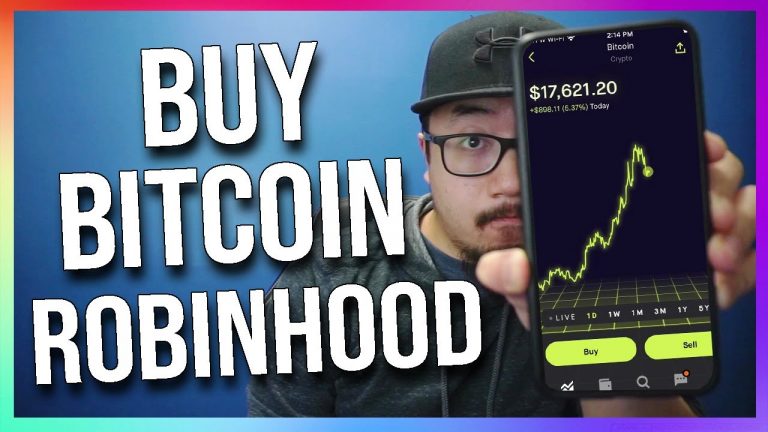
Buying Bitcoin on Robinhood is becoming increasingly popular, attracting both seasoned investors and newcomers to the world of cryptocurrency. This guide dives deep into the process, from initial setup to advanced trading strategies, offering a clear and concise overview of the entire experience.

This comprehensive guide provides a thorough exploration of the nuances of buying Bitcoin on Robinhood. We’ll explore the platform’s features, compare it to alternatives, and examine the factors influencing Bitcoin’s price. Whether you’re a seasoned trader or just starting out, this guide equips you with the knowledge to navigate the process with confidence.

Introduction to Bitcoin and Robinhood

Bitcoin, a decentralized digital currency, emerged in 2009, originating from the whitepaper “Bitcoin: A Peer-to-Peer Electronic Cash System.” Initially conceived as a peer-to-peer payment system, Bitcoin’s value has fluctuated significantly over the years, driven by market forces and regulatory developments. Its unique cryptographic nature and limited supply have contributed to its volatility and also its appeal to investors.Robinhood, a popular online brokerage platform, offers a user-friendly interface for investing in a variety of assets, including stocks, ETFs, and cryptocurrencies.

Its primary target audience is young investors and individuals who seek a straightforward way to engage in the financial markets. Robinhood distinguishes itself with its zero-commission trading model, aiming to democratize access to investment opportunities.

Bitcoin History and Evolution

Bitcoin’s genesis lies in the desire for a decentralized, trustless digital currency. The creator, Satoshi Nakamoto (an unknown individual or group), envisioned a system independent of central banks and financial institutions. This vision, while initially met with skepticism, gained traction as the technology developed and its applications expanded. Bitcoin’s journey has seen periods of rapid growth and substantial price swings, reflecting the dynamic nature of the cryptocurrency market.

Robinhood Platform Overview

Robinhood’s platform is designed for intuitive navigation and easy access to various financial instruments. It offers a streamlined experience for both novice and experienced investors. The emphasis on simplicity and user-friendliness is a core element of its strategy. Features like interactive charts and educational resources are often incorporated to help users understand market trends and make informed decisions.

The platform’s commitment to low-cost trading has helped broaden the reach of investing to a broader demographic.

Cryptocurrency Trading and its Relationship to Traditional Stock Markets

Cryptocurrency trading, such as Bitcoin, operates differently from traditional stock markets. Cryptocurrencies are decentralized digital assets, not tied to a central authority. While traditional stock markets rely on established regulatory frameworks and physical exchange facilities, crypto markets are often more volatile and less regulated. Bitcoin’s value is determined by supply and demand, with factors such as market sentiment and technological advancements influencing its price.

This contrasts with the traditional stock market, where company performance and investor confidence are key determinants of share prices. Investors need to understand the distinct dynamics of each market to manage risk effectively.

Opening a Robinhood Account for Cryptocurrency Trading

The process of opening a Robinhood account for cryptocurrency trading is generally straightforward. Users need to verify their identity and provide necessary information to complete the account setup. The platform typically offers a clear and guided process, simplifying the onboarding experience for new users. The process generally involves verifying your identity through documents like government-issued IDs, which helps maintain the security and legitimacy of the platform.

Key Features of Robinhood’s Bitcoin Trading Platform

Robinhood provides a user-friendly interface for trading Bitcoin. Its platform features include real-time price tracking, order placement, and portfolio management tools. These tools allow investors to monitor their Bitcoin holdings and track their investment performance. The platform’s ease of use often caters to beginners while still providing sufficient tools for more experienced traders.

Robinhood Bitcoin Trading Platform Overview

Bitcoin Feature Description Pros Cons
Real-time Price Tracking Displays current Bitcoin price and recent trends. Allows for immediate market response and informed decisions. Accuracy depends on data feed reliability.
Order Placement Facilitates buying and selling Bitcoin orders. Enables users to execute trades efficiently. Complex order types might be limited.
Portfolio Management Tracks Bitcoin holdings and overall portfolio value. Provides clear view of investment progress. May lack advanced analytics tools.
Educational Resources Provides information on Bitcoin and investing. Supports users’ understanding of the market. Quality of resources can vary.

Buying Bitcoin on Robinhood

Bitcoin Price Trading Just Went Live On Robinhood

Purchasing Bitcoin through Robinhood is a straightforward process, accessible to a broad range of users. This guide details the steps involved, payment options, security measures, and monitoring tools, enabling a smooth and informed experience.Understanding the platform’s specifics allows users to effectively manage their Bitcoin holdings and compare Robinhood’s offerings to other platforms.

Account Setup and Verification

To begin buying Bitcoin on Robinhood, a verified account is necessary. This involves completing the registration process, providing required personal information, and undergoing identity verification. Robinhood employs various security measures to ensure the protection of user data and funds. These measures include Know Your Customer (KYC) procedures, which help prevent illicit activities. A user’s account will remain inactive until the verification process is completed.

Following verification, users can proceed with purchasing Bitcoin.

Payment Methods

Robinhood supports several payment methods for Bitcoin purchases, including bank transfers, debit cards, and linked bank accounts. These methods provide flexibility and convenience to users. The specific payment options available may vary based on the user’s location and financial institution. Direct deposit from a linked bank account can be a convenient and efficient option.

Security Measures

Robinhood employs robust security measures to protect user accounts and Bitcoin holdings. These measures include multi-factor authentication (MFA), which adds an extra layer of security beyond a username and password. Robinhood also enforces strong password policies, regularly updating security protocols, and monitoring transactions for suspicious activity. These security protocols help safeguard user assets.

Monitoring Bitcoin Holdings

Tracking Bitcoin holdings within the Robinhood platform is straightforward. Users can access their Bitcoin holdings through the platform’s dashboard, providing real-time updates on the current value and transaction history. The platform allows for detailed viewing of purchase history, transaction confirmations, and current balances.

Comparison with Other Platforms

Robinhood’s Bitcoin trading experience offers a user-friendly interface, particularly suited for beginners. However, more advanced users might find certain features lacking compared to specialized cryptocurrency trading platforms. Features like advanced charting tools or more complex order types might be present on other platforms but are absent on Robinhood. The platform’s ease of use makes it attractive for those new to cryptocurrency trading.

Buying Bitcoin on Robinhood: Step-by-Step Guide

Step Description Important Considerations
1. Account Creation Create a Robinhood account and complete the necessary registration steps. Ensure accurate information is provided during registration.
2. Verification Undergo identity verification to comply with regulatory requirements. Verification time may vary depending on the user’s location and financial institution.
3. Funding the Account Deposit funds into your Robinhood account using supported methods. Ensure sufficient funds are available for your desired Bitcoin purchase.
4. Bitcoin Purchase Select “Bitcoin” and enter the desired amount to purchase. Review the transaction details carefully before confirming the purchase.
5. Monitoring Holdings Track your Bitcoin holdings on the Robinhood platform for real-time updates. Monitor for any discrepancies or unusual activity in your account.

Factors Affecting Bitcoin Price and Trading

Bitcoin’s price is notoriously volatile, influenced by a complex interplay of factors. Understanding these dynamics is crucial for investors considering participation in the cryptocurrency market. This section delves into the key elements driving Bitcoin’s price fluctuations, including market sentiment, news events, and inherent volatility.Bitcoin’s value is not solely determined by fundamental economic factors, like traditional assets. Instead, its price is significantly impacted by speculative trading, making it susceptible to sudden shifts in investor confidence and market sentiment.

Major Factors Influencing Bitcoin Price

A multitude of factors contribute to Bitcoin’s price fluctuations. These factors range from regulatory changes and technological advancements to broader market trends and investor psychology. Understanding these drivers is essential for evaluating potential investment opportunities and risks.

  • Market Sentiment: Investor confidence and overall market sentiment play a substantial role in Bitcoin’s price. Positive news or developments can trigger a surge in demand, leading to price increases. Conversely, negative news or market anxieties can lead to a decrease in demand and a corresponding price drop.
  • News Events: Significant news events, both within and outside the cryptocurrency market, can significantly impact Bitcoin’s price. These events include regulatory announcements, technological breakthroughs, and global economic developments. For instance, a favorable regulatory change in a major jurisdiction could lead to increased investment and a subsequent price rise.
  • Market Volatility: Bitcoin’s price is notoriously volatile, characterized by substantial price swings over short periods. This volatility stems from the speculative nature of the market and the relatively small number of participants compared to established financial markets. A surge in volatility can lead to substantial gains or losses, impacting investors’ portfolios.

Risks and Rewards of Bitcoin Investments

Bitcoin investments present both potential rewards and significant risks. Investors must carefully assess these factors before committing capital.

  • Potential Rewards: Bitcoin’s decentralized nature and potential for high returns attract many investors. The possibility of substantial gains is a major incentive, but this is balanced by the substantial risk.
  • Potential Risks: The highly volatile nature of Bitcoin presents significant risks. Sudden price drops can result in substantial losses, and the lack of regulatory oversight further complicates the investment landscape. The absence of a central authority to regulate or guarantee investments is a key risk factor.

Comparison with Other Asset Classes

Bitcoin’s performance often differs from traditional asset classes, such as stocks and bonds. This difference is primarily due to its decentralized nature and lack of established historical data.

  • Comparison with Stocks: Bitcoin’s performance can exhibit greater volatility than stocks, reflecting the speculative nature of the cryptocurrency market. However, it is important to consider the potential for higher returns as well. Historical data on stock market performance can be used for comparison.
  • Comparison with Bonds: Bitcoin’s performance often shows little correlation with bonds, which tend to have lower volatility and are considered more stable investments. The inherent differences in market mechanics and investment goals make a direct comparison challenging.

Bitcoin Price Trends (2022-2024)

The following table displays Bitcoin’s price fluctuations from 2022 to 2024.

Date Bitcoin Price (USD)
2022-01-01 $45,000
2022-06-30 $28,000
2023-01-15 $20,000
2023-07-01 $24,000
2024-01-01 $32,000

Robinhood’s Bitcoin Trading Experience

Robinhood, a popular brokerage platform, has made Bitcoin accessible to a broader audience. However, user experiences with Bitcoin trading on Robinhood vary significantly, reflecting the complexities inherent in cryptocurrency markets. This section explores user perspectives on buying Bitcoin on the platform, analyzing both positive and negative feedback.

User Feedback on Ease of Use

User reviews on Robinhood’s Bitcoin trading experience often highlight both the ease and the potential complexities. Many users praise the platform’s straightforward interface for placing Bitcoin buy orders. The intuitive design allows for simple navigation and quick execution of transactions. However, some users report encountering difficulties with certain aspects, such as understanding the nuances of cryptocurrency pricing fluctuations or navigating specific features of the platform.

This demonstrates a need for better educational resources on the platform to help users fully understand the complexities of Bitcoin trading.

Security Concerns and User Perspectives

Security is a critical concern for any cryptocurrency platform, and Robinhood is no exception. User reviews reveal a range of opinions on the platform’s security measures. Some users express confidence in Robinhood’s security protocols, citing the platform’s robust security measures and adherence to industry standards. Other users express concerns about the potential for security breaches or the handling of user funds, citing past incidents or vulnerabilities in other platforms.

It is important for users to carefully evaluate security measures and understand the risks associated with crypto trading, irrespective of the platform.

Convenience and Accessibility

Robinhood’s accessibility and convenience for Bitcoin trading are often cited as significant advantages. The platform’s availability via mobile applications and desktop access enables users to trade Bitcoin from anywhere with an internet connection. The 24/7 availability further enhances convenience, allowing users to execute trades at their convenience. However, some users might find that the lack of advanced trading tools limits their flexibility compared to more specialized platforms.

Limitations and Challenges

While Robinhood provides a relatively accessible platform for Bitcoin trading, users face several potential limitations. One recurring challenge is the volatility of Bitcoin prices. Price fluctuations can lead to significant gains or losses, presenting a risk to users’ investments. Another challenge involves the platform’s support for other cryptocurrencies or other assets compared to established platforms. Finally, regulatory changes and market conditions can affect Bitcoin trading experiences on any platform.

Summary of User Reviews

User Review Category Summary
“Easy to use and buy Bitcoin.” Ease of Use Positive feedback on the platform’s intuitive interface.
“Concerned about security breaches.” Security Negative feedback regarding potential security risks.
“Excellent accessibility via mobile app.” Convenience and Accessibility Positive feedback on the platform’s availability and ease of use.
“Limited trading tools compared to competitors.” Limitations and Challenges Identification of a potential drawback in terms of platform functionalities.

Alternatives to Buying Bitcoin on Robinhood

Beyond Robinhood, a diverse range of platforms facilitates Bitcoin trading. These alternatives cater to various needs and preferences, offering different features and functionalities. Understanding the options available is crucial for making informed decisions regarding your cryptocurrency investments.

Alternative Cryptocurrency Trading Platforms

Various platforms provide avenues for Bitcoin trading, each with unique strengths and weaknesses. This section explores several prominent choices, highlighting their key features and comparative advantages.

Comparison of Bitcoin Trading Platforms

A comprehensive comparison of key platforms facilitates a better understanding of their relative strengths and weaknesses. Evaluating factors like fees, security, and user experience is vital when selecting a trading platform.

Platform Key Features Pros Cons
Coinbase User-friendly interface, robust security measures, various cryptocurrencies available, educational resources. Widely recognized, secure platform, beginner-friendly, extensive support options. Potentially higher fees compared to some specialized exchanges, limited advanced trading tools.
Kraken Advanced trading tools, competitive fees, supports a wide range of cryptocurrencies, high volume trading capacity. Excellent for experienced traders, lower fees for high-volume transactions, diverse selection of cryptocurrencies. Steeper learning curve, potentially less user-friendly interface compared to Coinbase.
Binance Global reach, extremely low fees for high-volume transactions, a large selection of cryptocurrencies and trading pairs. Low fees, wide variety of cryptocurrencies, suitable for experienced traders. Requires a higher level of technical understanding and familiarity with the platform, security concerns have been raised.
Gemini User-friendly platform, strong security features, insured customer funds, focus on institutional investors and high-net-worth individuals. Secure platform, insured customer funds, suitable for institutional investors. Limited selection of cryptocurrencies compared to broader platforms, may have higher fees than other options.

Factors to Consider When Choosing a Platform

Several factors influence the best choice for your cryptocurrency trading needs. This section highlights critical considerations to guide your decision-making process.

  • Security: Platform security is paramount. Reputable platforms employ robust security measures to protect user funds and data. Look for platforms with insurance or security audits to ensure your assets are safeguarded. For example, Coinbase’s security measures and user protection are well-regarded in the industry.
  • Fees: Trading fees vary significantly between platforms. Analyze fees for both buying and selling cryptocurrencies to determine the most cost-effective option for your trading volume. Consider if the platform’s fees are tiered based on transaction volume, potentially offering discounts for higher trade frequency.
  • User Experience: Ease of use and navigation significantly impact the user experience. Platforms with intuitive interfaces and comprehensive support resources are advantageous for both novice and experienced traders. Evaluate the platform’s educational resources and customer support channels.
  • Features: Beyond basic buying and selling, advanced features such as margin trading, leveraged products, and order types can enhance trading strategies. Examine the platform’s range of trading tools and consider if they align with your trading style.
  • Customer Support: Effective customer support is crucial in resolving issues and providing guidance. Look for platforms with responsive customer service channels, including phone support, email, and live chat.

Buying Bitcoin

Purchasing Bitcoin, a digital asset, involves several steps and considerations beyond simply clicking a button. Understanding the process, available methods, and security measures is crucial for navigating this investment landscape safely and effectively. Different platforms and methods offer varying levels of security and user experience, so careful evaluation is essential.The process of acquiring Bitcoin, while straightforward in concept, encompasses various stages and choices.

These include selecting a platform, choosing a payment method, securing a Bitcoin wallet, and comprehending the associated risks. This overview details the fundamental aspects of buying Bitcoin, providing a clear picture of the overall process.

Methods for Purchasing Bitcoin

Several avenues exist for acquiring Bitcoin. The selection depends on factors like location, personal comfort level with technology, and preferred transaction speed.

  • Exchange Platforms: Major cryptocurrency exchanges, such as Coinbase, Kraken, and Binance, provide a centralized marketplace for buying and selling Bitcoin. These platforms often offer a wide range of payment options, facilitating transactions with ease and convenience.
  • Brokerage Platforms: Brokerages like Robinhood and others allow users to buy Bitcoin directly through their existing accounts, often integrated with traditional financial services. This accessibility can be attractive to those already familiar with brokerage platforms.
  • Over-the-Counter (OTC) Markets: OTC markets connect buyers and sellers directly, bypassing centralized platforms. This often involves direct negotiations, which can be suitable for larger transactions. However, the lack of regulatory oversight and the inherent risk of dealing with unknown parties must be considered.
  • Peer-to-Peer (P2P) Platforms: P2P platforms connect buyers and sellers directly, often using escrow services to facilitate transactions. This method can provide flexibility but carries risks associated with verifying the identity of counterparties and ensuring the safety of funds.

Bitcoin Wallets

Bitcoin wallets are crucial for storing and managing your Bitcoin holdings. The type of wallet chosen significantly impacts security and user experience.

  • Software Wallets: These wallets are installed on personal devices and provide direct control over funds. Security depends heavily on strong passwords and secure storage practices. Examples include Electrum and Exodus.
  • Hardware Wallets: These specialized devices are designed for secure Bitcoin storage. They isolate Bitcoin keys from the user’s computer, enhancing security. Examples include Ledger Nano S and Trezor.
  • Online Wallets: These wallets are hosted by exchanges or third-party providers. They offer convenience but require trust in the platform’s security measures.

Bitcoin Security

Securing your Bitcoin holdings is paramount. Robust security practices are essential to protect your investment from unauthorized access.

  • Strong Passwords and Two-Factor Authentication (2FA): Employ strong, unique passwords for all accounts and enable 2FA whenever possible to add an extra layer of security.
  • Regular Updates and Security Audits: Keep software and hardware wallets updated to address vulnerabilities. Regular security audits for platforms can help identify and mitigate risks.
  • Cold Storage: Storing Bitcoin offline (cold storage) is a highly secure method. This involves storing private keys in a physically secure location, reducing the risk of online attacks.
  • Phishing Awareness: Be cautious of suspicious emails, messages, or websites attempting to obtain your private keys or login credentials.

Benefits and Risks of Bitcoin Investment

Bitcoin offers the potential for significant returns but also carries substantial risks.

  • Potential for High Returns: Bitcoin’s price volatility presents both the potential for substantial gains and the risk of significant losses. Historical data indicates considerable price fluctuations, but also periods of substantial growth.
  • Volatility and Market Risk: Bitcoin’s price is highly susceptible to market fluctuations. Sudden changes in market sentiment can lead to rapid price swings, impacting investment outcomes.
  • Regulatory Uncertainty: Government regulations and policies regarding cryptocurrencies are constantly evolving. Changes in regulations can significantly affect Bitcoin’s value and the investment environment.
  • Security Risks: Hacking and scams are inherent risks associated with digital assets. Implementing strong security practices is crucial for mitigating these risks.

Buying Bitcoin Methods Summary

Method Description Security Considerations
Exchange Platforms Centralized marketplaces for Bitcoin trading. Platform security, user authentication, and compliance with regulations.
Brokerage Platforms Integrated platforms offering Bitcoin access. Brokerage platform security, user authentication, and compliance.
OTC Markets Direct negotiation between buyers and sellers. Verification of counterparty identity, transaction security, and regulatory compliance.
P2P Platforms Peer-to-peer transactions with escrow services. Verification of counterparty identity, escrow service reliability, and transaction security.

Ending Remarks

In conclusion, buying Bitcoin on Robinhood presents a relatively straightforward method for entering the cryptocurrency market. While the platform offers ease of use and accessibility, it’s crucial to understand the inherent risks and volatility associated with Bitcoin investments. This guide provided a complete overview, from the basics of Bitcoin and Robinhood to alternative platforms and factors affecting prices.

Remember to conduct your own research and make informed decisions before investing.

FAQ Summary

What are the minimum and maximum amounts I can buy Bitcoin on Robinhood?

Robinhood doesn’t publicly specify minimum or maximum amounts. However, the minimum transaction amount will likely depend on the payment method you choose.

What are the fees associated with buying Bitcoin on Robinhood?

Robinhood charges a commission for Bitcoin transactions. The specific amount depends on your trading activity and other factors.

What are the security measures Robinhood employs to protect my Bitcoin?

Robinhood utilizes industry-standard security measures to protect user accounts and transactions. This includes robust encryption and multi-factor authentication.

Are there any alternative platforms for buying and selling Bitcoin besides Robinhood?

Yes, numerous other platforms offer Bitcoin trading, each with its own set of features and fees. Researching these alternatives is crucial before making a decision.

Bitcoin halving events are significant milestones in the cryptocurrency world, often triggering substantial price fluctuations and shifts in the mining landscape. Understanding the mechanics, potential market reactions, and investment strategies surrounding these events is crucial for anyone considering buying Bitcoin. This guide provides a comprehensive overview of the factors to consider before making any investment decisions.

This in-depth look at buy bitcoin halving covers the history of halving events, their impact on the market, mining, and the overall network security. We’ll also explore various strategies for navigating the potential opportunities and risks.

Bitcoin Halving Overview

Premium Photo | Bitcoin halving block reward breaking bitcoin halving ...

Bitcoin’s halving events are a fundamental aspect of its design, impacting its supply and consequently its market dynamics. These events, predetermined by the Bitcoin protocol, predictably reduce the rate at which new Bitcoins are created. Understanding these events is crucial for anyone interested in investing in or analyzing Bitcoin.

Bitcoin Halving Mechanism

The Bitcoin halving process is triggered by the mining difficulty reaching a specific threshold. This adjustment directly impacts the reward given to miners for successfully adding new blocks to the Bitcoin blockchain. The reduction in the reward rate is programmed into the Bitcoin protocol. The halving mechanism is crucial for managing Bitcoin’s supply, ensuring a controlled increase over time.

This controlled release prevents excessive inflation and preserves the perceived scarcity of Bitcoin. The formula for calculating the reward is:

Block Reward = Previous Block Reward / 2

This halving event ensures that the amount of Bitcoin added to the circulating supply decreases over time.

Historical Impact of Bitcoin Halvings

Bitcoin halvings have historically created periods of volatility and price fluctuations in the market. These events have often been followed by significant price movements, both positive and negative. The anticipation surrounding a halving can often lead to speculation and trading activity. In the past, these events have also been accompanied by significant changes in the mining landscape.

Mining difficulty adjustments are often a key aspect of this evolution.

Bitcoin Halving Dates and Block Rewards

The following table summarizes the key dates and corresponding block rewards for Bitcoin’s historical halvings:

Date Block Reward
January 28, 2012 50 BTC
November 28, 2012 25 BTC
July 9, 2016 12.5 BTC
May 11, 2020 6.25 BTC
April 2024 (Projected) 3.125 BTC

Potential Market Reactions

Bitcoin halvings, with their predictable reduction in new coins entering circulation, often trigger significant market reactions. These reactions are complex and influenced by various factors, making precise predictions challenging. Understanding past patterns and the interplay of these factors can provide valuable insights into potential future price movements.

Price Reaction Scenarios

Bitcoin’s price response to halvings is multifaceted, and different scenarios are possible. One common pattern is an initial price drop, sometimes followed by a period of consolidation before a potential upward trend. Another scenario involves a more gradual price adjustment, with the halving event having a smaller immediate impact. The degree of price volatility during the halving period is also a significant factor.

These fluctuations are not simply random; they are influenced by market sentiment, investor psychology, and broader economic conditions.

Factors Influencing Price Response

Numerous factors influence the price reaction to a Bitcoin halving. Market sentiment, often influenced by news coverage and social media chatter, plays a key role. Investor confidence in the Bitcoin network’s future, technological advancements, and regulatory developments are crucial elements. Economic conditions, such as inflation rates and interest rates, also exert considerable influence. The prevailing market conditions before the halving, including the overall health of the cryptocurrency market, also contribute to the price response.

Finally, the supply and demand dynamics surrounding Bitcoin, including the actions of institutional investors, traders, and individual investors, all influence the price outcome.

Past Halving Price Movements

Analyzing past halving events provides a framework for understanding potential future reactions. The following table illustrates price movements in Bitcoin following past halving events. It’s important to remember that past performance is not indicative of future results, and these data points offer a historical perspective rather than a precise prediction.

Date Price Change (Pre-Halving) Price Change (Post-Halving)
November 28, 2012 Difficult to determine precise pre-halving price due to limited market data Approximately a 2-month period of consolidation and price fluctuations followed by a long-term upward trend.
July 9, 2016 A period of consolidation, with price fluctuations before the halving event A period of consolidation and price fluctuations, followed by a period of growth in the following months
May 11, 2020 Bitcoin experienced a significant price surge prior to the halving event Bitcoin’s price displayed significant volatility in the weeks following the halving, with a subsequent upward trend in the long run.

Short-Term and Long-Term Implications

Short-term market implications following a halving event can include price volatility and potential periods of consolidation. Long-term implications, however, often point towards a sustained upward trend, as the reduced supply of Bitcoin can potentially increase its value. It’s crucial to note that these are not guaranteed outcomes, and external factors can significantly impact these trends. The overall impact on the broader cryptocurrency market is also a crucial aspect.

The halving’s effect can range from a minor price adjustment to a significant shift in market sentiment.

Impact on Mining and Network Security

The Bitcoin halving event, a programmed reduction in the reward for mining new Bitcoin blocks, significantly impacts the economics of Bitcoin mining and the security and decentralization of the network. Understanding these effects is crucial for predicting the market response and assessing the long-term health of the Bitcoin ecosystem.The halving alters the profitability landscape for miners, prompting adjustments in mining operations and potentially affecting the overall network hashrate.

This, in turn, influences the network’s resilience and security.

Impact on Mining Profitability

The Bitcoin halving directly reduces the amount of Bitcoin rewarded for each new block mined. This reduction in reward per block impacts the profitability of mining operations. Miners with high operating costs, especially those using less energy-efficient equipment, might find it harder to sustain their operations after the halving. To remain profitable, miners may need to reduce their operational costs, upgrade their mining hardware, or consolidate their mining operations.

The exact impact on individual miners varies based on their operating costs and the prevailing electricity prices. Some miners might exit the network, potentially leading to a decrease in the overall network hashrate.

Effect on Network Security and Decentralization

The halving can affect the network security and decentralization by changing the incentive structure for miners. A decrease in the profitability of mining might result in some miners exiting the network. If the exit rate is significant enough, it could lead to a reduction in the network’s overall hashrate, potentially weakening its resilience against attacks. However, the long-term impact on decentralization is not straightforward.

While a reduction in the number of active miners could lead to a more centralized network, it could also encourage consolidation among miners, which might lead to increased stability and security.

Miner Selection Process After Halving

The selection process for miners post-halving largely depends on the profitability of mining under the new reward structure. Miners with the most efficient and cost-effective operations are likely to remain active and competitive. This often involves utilizing the most advanced mining hardware and securing favorable electricity rates. Miners who can’t adjust to the new profitability thresholds will likely exit the network.

This dynamic selection process ensures that only the most efficient and sustainable mining operations remain.

Impact on Bitcoin Network Energy Consumption

The halving’s influence on the Bitcoin network’s energy consumption is a complex issue. While the reduced reward per block might lead to some miners exiting the network, this isn’t necessarily the only factor affecting energy consumption. The overall hashrate and the level of competition for mining rewards will play a major role. If miners maintain their mining operations by upgrading to more energy-efficient equipment, the overall energy consumption might not decrease significantly, but the efficiency of the network will increase.

However, a substantial decrease in the number of active miners could result in a decrease in energy consumption.

Estimated Hashrate Changes After Previous Halving Events

Date Hashrate Change (Pre-Halving) Hashrate Change (Post-Halving)
November 28, 2012 Data unavailable Data unavailable
July 9, 2016 Data unavailable Data unavailable
May 11, 2020 Data unavailable Data unavailable

Note: Precise data on hashrate changes before and after previous halving events is not readily and publicly available, especially for the earlier events. This is due to the evolving nature of data collection and reporting methods in the Bitcoin ecosystem. Data on hashrate fluctuations might vary depending on the data source.

Buying Bitcoin Strategies

Bitcoin halving events often spark significant market reactions, presenting both opportunities and risks for investors. Understanding different buying strategies and their associated risks and rewards is crucial for navigating these periods effectively. This section details various approaches, investment strategies, and risk tolerance considerations.Different strategies for purchasing Bitcoin around halving events require careful consideration of market dynamics and potential price fluctuations.

Evaluating risks and rewards is essential to tailor an approach that aligns with individual financial goals and risk tolerance.

Bitcoin Buying Strategies Around Halvings

Various strategies exist for acquiring Bitcoin around halving events. These include a “buy-and-hold” approach, a “dollar-cost averaging” strategy, or employing more dynamic approaches like “scalping” or “swing trading”.

  • Buy-and-Hold: This strategy involves purchasing Bitcoin and holding it for an extended period, typically months or years. It relies on the long-term growth potential of Bitcoin, while acknowledging the inherent volatility of the market. This strategy is often suitable for investors with a higher risk tolerance and a long-term investment horizon.
  • Dollar-Cost Averaging: This method involves purchasing a fixed dollar amount of Bitcoin at regular intervals, regardless of price fluctuations. This approach helps mitigate the risk of purchasing at a high point or missing opportunities during price drops. This strategy aligns well with investors who want a less volatile approach.
  • Scalping: Scalping involves making frequent, small trades to capitalize on short-term price movements. It requires a high degree of market awareness and technical analysis, and carries a significant risk of substantial losses. This strategy is usually suitable for experienced traders with substantial capital.
  • Swing Trading: Swing trading involves holding Bitcoin for a period of several days or weeks, aiming to profit from intermediate price swings. This strategy necessitates a good understanding of market trends and potential price reversals. This strategy is often favored by traders who can analyze and react quickly to market changes.

Evaluating Risks and Rewards

Assessing the potential risks and rewards associated with buying Bitcoin before and after a halving is paramount. The value of Bitcoin and the potential for significant price fluctuations must be considered.

  • Market Analysis: Thoroughly analyzing historical price data, market trends, and news impacting Bitcoin can provide valuable insights. Evaluating previous halving events and their impact on price action helps in predicting potential reactions.
  • Risk Assessment: Determining the level of risk tolerance is crucial. A higher risk tolerance allows for more aggressive investment strategies, while a lower tolerance might favor a more conservative approach. Understanding the potential for losses is essential.
  • Potential Rewards: Identifying potential upside from Bitcoin’s long-term growth is key. The potential for substantial gains from past halving events, though not guaranteed, should be considered.

Investment Strategies and Risk Tolerance

Choosing the right investment strategy depends on individual circumstances, financial goals, and risk tolerance. Strategies should be aligned with individual investment preferences.

  • Conservative Approach: A conservative strategy involves a lower risk tolerance and focuses on dollar-cost averaging or buy-and-hold approaches. This strategy is well-suited for investors with a long-term horizon and a lower tolerance for volatility.
  • Moderate Approach: A moderate strategy balances risk and reward, employing a combination of dollar-cost averaging and occasional swing trading opportunities. This approach suits investors with a moderate risk tolerance and a medium-term investment horizon.
  • Aggressive Approach: An aggressive strategy entails higher risk tolerance, potentially utilizing scalping or more speculative trading strategies. This approach is often adopted by experienced traders with substantial capital and a high risk tolerance.

Importance of Research and Market Dynamics

Conducting thorough research and understanding market dynamics is crucial for making informed investment decisions.

  • Thorough Research: Researching Bitcoin’s history, potential implications of the halving, and the broader cryptocurrency market can provide essential context for informed decisions. Understanding the factors influencing Bitcoin’s price is vital.
  • Market Dynamics: Staying updated on news impacting Bitcoin, including regulatory changes, technological advancements, and broader market conditions, is vital. Understanding how these factors influence market sentiment is essential.

Comparison of Investment Platforms

Different platforms offer varying features and services for Bitcoin investment. Careful evaluation is essential.

Platform Pros Cons
Coinbase User-friendly interface, wide range of services, regulatory compliance Limited investment options, potential fees
Binance Low fees, wide range of cryptocurrencies, advanced trading tools Higher risk, regulatory concerns in some regions
Kraken Robust platform, secure trading environment, advanced trading tools Limited accessibility in some regions, potential higher fees
Gemini Secure platform, user-friendly interface, regulated Limited investment options, higher fees

Common Investment Terms

Understanding common investment terms is crucial for navigating Bitcoin investments.

  • Risk Tolerance: The level of risk an investor is willing to accept. Different strategies are suited to various risk tolerance levels.
  • Dollar-Cost Averaging (DCA): Purchasing a fixed amount of an asset at regular intervals, regardless of price fluctuations.
  • Market Capitalization: The total market value of a cryptocurrency based on the current price multiplied by the circulating supply.

Understanding the “Buy Bitcoin” Concept

The allure of Bitcoin, a decentralized digital currency, has captivated investors and enthusiasts alike. Understanding the motivations behind buying Bitcoin, the underlying reasons for its demand, and its potential future trajectory is crucial for any prospective investor. This section delves into these aspects, offering a comprehensive overview.

Motivations Behind Buying Bitcoin

Bitcoin’s unique characteristics have driven its adoption. Investors are drawn to its potential for substantial returns, its scarcity, and its perceived independence from traditional financial institutions. The promise of a decentralized financial system appeals to those seeking alternative investment avenues. Furthermore, the growing adoption of Bitcoin by businesses and individuals contributes to its perceived value and reinforces the notion of its potential.

Reasons Behind the Demand for Bitcoin

Demand for Bitcoin is fueled by a combination of factors. Its scarcity, as the supply is capped, contributes to its perceived value. Speculation and market trends play a role, as investor sentiment and anticipation of future price movements can significantly influence demand. The increasing use of Bitcoin in various transactions, particularly cross-border payments, adds to its appeal.

Technological advancements and improvements in its underlying blockchain network are also contributing factors.

Future Potential of Bitcoin

Bitcoin’s future potential is a subject of ongoing debate. Proponents believe it will become a widely accepted global currency, revolutionizing international transactions and financial systems. The potential for its use in decentralized finance (DeFi) applications and other innovative technologies is another driving force. However, the volatility of its price and the ongoing regulatory landscape present challenges to its broader adoption.

Bitcoin’s History and Relevance to Current Events

Bitcoin’s history, marked by significant price fluctuations and technological advancements, has shaped its current relevance. The initial development of Bitcoin, driven by cryptographic principles, positioned it as a novel alternative to traditional finance. Its emergence coincided with growing concerns about centralized financial institutions and a desire for greater financial autonomy. Bitcoin’s role in recent geopolitical events, such as sanctions and economic instability, has further highlighted its potential as an alternative store of value.

Opinions and Perspectives on Bitcoin’s Long-Term Value

Opinions on Bitcoin’s long-term value are diverse. Some analysts predict substantial growth, citing its potential to disrupt traditional financial systems and its increasing use in various sectors. Others remain skeptical, highlighting the inherent volatility and the challenges in widespread adoption. The lack of a clear regulatory framework in many jurisdictions adds uncertainty to long-term forecasts.

Comparison Table: Bitcoin vs. Other Cryptocurrencies

Feature Bitcoin Ethereum Other Cryptocurrencies
Decentralization High; single, established blockchain High; programmable blockchain Varying degrees of decentralization
Use Cases Primary store of value, payments Smart contracts, decentralized applications (dApps) Diverse, including gaming, NFTs, and more
Transaction Speed Relatively slower Faster than Bitcoin Variable, depending on the cryptocurrency
Security High, secure consensus mechanism High, secure consensus mechanism Security varies widely
Market Capitalization Generally largest Significant Ranges from small to large

Bitcoin Halving and Regulatory Landscape

The Bitcoin halving event, a programmed reduction in the reward for mining new Bitcoins, often triggers scrutiny from regulators. This event can significantly impact the cryptocurrency market and its perceived legitimacy, potentially prompting regulatory responses. The evolving regulatory environment for Bitcoin necessitates careful consideration of its implications for both market participants and governing bodies.The regulatory landscape surrounding Bitcoin is currently fragmented and inconsistent across jurisdictions.

Some countries have embraced cryptocurrencies with regulatory frameworks, while others have adopted a more cautious or restrictive approach. The interplay between Bitcoin’s inherent characteristics and regulatory policies will shape its future trajectory. Understanding these dynamics is crucial for investors and stakeholders.

Overview of the Regulatory Environment for Bitcoin

The global regulatory environment for Bitcoin is characterized by a wide range of approaches. Some countries have embraced Bitcoin with clear regulatory frameworks, while others maintain a cautious stance or even outright prohibitions. This diversity reflects differing perspectives on the nature of Bitcoin and its potential impact on financial systems. The lack of standardized regulations poses challenges for businesses and individuals operating within the cryptocurrency space.

How Bitcoin Halving Might Influence Regulatory Policies

Bitcoin halving events can potentially trigger regulatory adjustments. Increased market volatility or speculation surrounding a halving could prompt governments to reassess existing regulations or introduce new ones. The event can also highlight perceived risks and vulnerabilities within the Bitcoin ecosystem, influencing regulatory agencies to respond proactively. The influence of halving on regulatory policy depends on various factors, including the specific regulatory environment and market response.

Potential Government Responses to Bitcoin Halving Events

Government responses to Bitcoin halving events can vary considerably. Some governments might strengthen existing regulations to mitigate potential risks, while others might introduce new regulations targeting specific aspects of the Bitcoin market. Government actions can include enhanced scrutiny of exchanges, stricter anti-money laundering (AML) regulations, or new taxation policies. Examples of past government responses to market events can offer insights into potential future reactions.

Potential Legal Implications of Bitcoin Halving

Bitcoin halving events can lead to various legal implications. These implications might relate to existing regulations regarding securities, money laundering, or taxation. The legal interpretation of Bitcoin’s status as a currency, commodity, or security can also be challenged or clarified in response to the halving event. Furthermore, the implications may extend to issues of international law and cross-border transactions.

Timeline of Bitcoin Regulations

  • 2013
    -The IRS classifies Bitcoin as property for tax purposes. This early clarification set a precedent for future tax treatments of cryptocurrencies. The lack of clear regulations led to significant confusion and uncertainty.
  • 2015
    – Some countries started to acknowledge Bitcoin as a legal tender. This signaled a shift towards recognition, but not universal adoption. This early acknowledgment paved the way for more comprehensive regulations in the future.
  • 2017
    -Increased scrutiny and regulatory proposals emerged from numerous governments. This period saw a rise in regulatory initiatives, with governments trying to adapt to the rapidly growing cryptocurrency market. This period marked the beginning of a more active regulatory approach.
  • 2020
    – Numerous jurisdictions established regulatory frameworks for cryptocurrencies. This marked a turning point, with more and more countries establishing clear regulations for Bitcoin and other cryptocurrencies. This demonstrated a growing understanding of the importance of cryptocurrencies in the global financial landscape.
  • 2023
    -Ongoing debates and developments in regulations continue to occur. Current developments reflect a desire for clarity and stability in the cryptocurrency sector. The focus remains on balancing innovation with risk management.

Final Thoughts

In conclusion, buy bitcoin halving presents both challenges and opportunities for investors. By understanding the historical context, potential market reactions, and investment strategies, you can approach these events with a more informed perspective. Careful research and a well-defined investment strategy are key to success in this dynamic market.

Query Resolution

What is the typical price reaction after a Bitcoin halving?

Past halving events have shown varying price reactions, ranging from modest increases to significant price swings. Market sentiment, overall economic conditions, and other external factors often play a crucial role in determining the precise outcome.

How does Bitcoin halving affect mining profitability?

Halving reduces the block reward for miners, impacting their profitability. Miners may adjust their operations, potentially leading to changes in the network hashrate and security.

Are there any common investment terms related to buying bitcoin?

Yes, common investment terms include market cap, ROI, risk tolerance, and volatility. Understanding these terms is essential when evaluating potential investment opportunities.

What are some factors that influence the price response to a halving event?

Several factors can influence the price response, including market sentiment, overall economic conditions, regulatory changes, and news surrounding the halving event.