
Purchasing Bitcoin with a credit card on Binance is a popular method for new users. This comprehensive guide explores the process, security considerations, and alternatives to credit cards. Understanding the nuances of this transaction is key to making informed decisions in the digital asset market.
This article delves into the specifics of using credit cards on Binance to buy Bitcoin, including the steps involved, security measures, potential risks, and common problems. We also compare Binance to other platforms and highlight alternative payment methods.
Bitcoin Purchasing Methods
Buying Bitcoin involves various methods, each with its own advantages and disadvantages. Understanding these options allows you to choose the method best suited to your needs and risk tolerance. This section details the common approaches, providing insights into the steps, fees, security, and speed associated with each.Bitcoin purchases are often associated with a variety of methods, from exchanges to peer-to-peer platforms.
Selecting the appropriate method hinges on factors such as transaction speed, cost, and personal security preferences. Understanding the nuances of each method will allow you to make informed decisions.
Direct Exchange Purchases
Direct exchanges, like Binance, Coinbase, and Kraken, provide a straightforward platform for buying Bitcoin. These platforms typically have user-friendly interfaces and often offer various payment methods.
- Steps Involved: Create an account, verify your identity, deposit funds using supported methods (e.g., bank transfer, credit/debit card), and then place a market or limit order to purchase Bitcoin.
- Pros: Ease of use, broad payment options, and generally high liquidity.
- Cons: Potential for higher fees compared to other methods, and security relies on the exchange’s security measures.
Peer-to-Peer (P2P) Transactions
P2P platforms connect buyers directly with sellers, often enabling faster transactions and potentially lower fees. However, due to the direct nature, extra caution is needed.
- Steps Involved: Find a seller on a P2P platform, negotiate the price and payment method, and finalize the transaction. This often involves meeting in person to exchange the Bitcoin and funds, or using escrow services.
- Pros: Potentially lower fees than exchanges and the ability to use various payment methods.
- Cons: Increased risk of scams or fraudulent activity, and you are responsible for verifying the seller’s legitimacy. It’s often slower to complete than exchange purchases.
Over-the-Counter (OTC) Trading
OTC platforms allow for larger transactions between buyers and sellers. This method typically involves more personalized service and can be suitable for significant Bitcoin investments.
- Steps Involved: Contact a broker or platform, negotiate the terms, and complete the transaction, often through bank transfers or other secure methods.
- Pros: Ideal for large-scale purchases, potential for personalized service and potentially lower fees.
- Cons: Often more complex, requires more due diligence on the buyer’s part to ensure the legitimacy of the seller and the security of the transaction process.
Comparison Table
| Method | Fees | Security | Speed |
|---|---|---|---|
| Direct Exchange | Moderate to High | High (if exchange is reputable) | Moderate |
| P2P | Low to Moderate | Low (buyer/seller risk) | Variable |
| OTC | Low to Moderate (often negotiable) | Moderate to High (if broker is reputable) | Variable |
Binance Platform Features
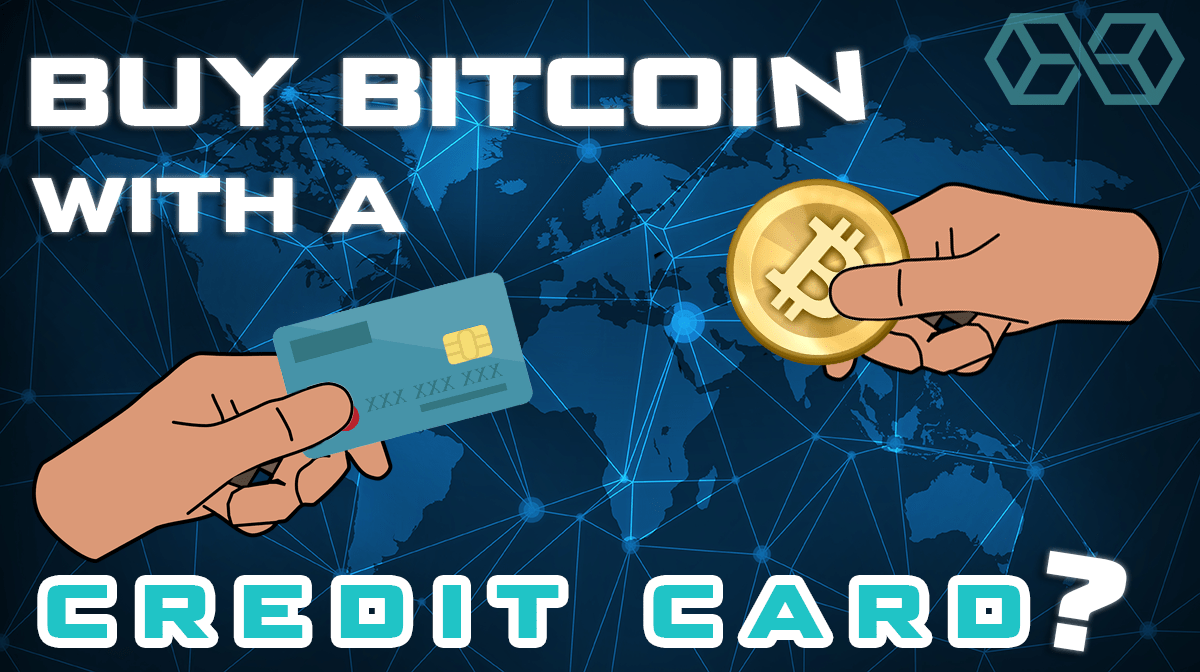
Binance stands out as a prominent cryptocurrency exchange platform, known for its extensive features and user-friendly interface. This section delves into the specifics of purchasing Bitcoin on Binance, highlighting its available payment methods, security protocols, and any potential limitations.Purchasing Bitcoin on Binance is a straightforward process. Users can initiate the transaction through the platform’s intuitive interface, selecting Bitcoin as the desired asset and specifying the amount they wish to acquire.
Bitcoin Purchasing Process
The process of purchasing Bitcoin on Binance typically involves these steps:
- Accessing the Binance platform and logging in to your account.
- Navigating to the trading or buying page, where Bitcoin is usually prominently displayed.
- Selecting the desired amount of Bitcoin to purchase.
- Choosing the preferred payment method, such as a credit card.
- Reviewing the transaction details, including the exchange rate and total cost, and confirming the purchase.
Available Payment Options
Binance offers a diverse range of payment methods, catering to various user preferences. Credit card purchases are one option, alongside other methods such as bank transfers, and various digital wallets.
- Credit Cards: Binance accepts certain credit cards for Bitcoin purchases, though the specific cards supported may vary. This method is often convenient for users who prefer a quick and easy transaction method.
- Bank Transfers: Direct bank transfers provide a secure and traditional method for depositing funds into your Binance account, enabling purchases of Bitcoin.
- Other Digital Wallets: Users can often utilize various digital wallets to facilitate Bitcoin transactions, offering flexibility and control over funds.
Security Measures
Binance implements robust security measures to protect user funds and transactions. These measures aim to safeguard against unauthorized access and fraudulent activities.
- Two-Factor Authentication (2FA): Enabling 2FA adds an extra layer of security to your account, requiring a second verification step beyond your password.
- Security Audits: Binance regularly undergoes security audits to identify and address potential vulnerabilities.
- Transaction Encryption: Binance utilizes encryption protocols to secure the transmission of sensitive data during transactions.
Limitations and Restrictions
While credit card purchases are generally accepted on Binance, certain limitations might apply. These restrictions could include transaction limits, geographic restrictions, or specific card types.
- Transaction Limits: Binance may impose daily or monthly limits on the amount of Bitcoin that can be purchased using credit cards.
- Geographic Restrictions: Depending on your location, certain credit card options may not be supported for Bitcoin purchases.
- Card Type Restrictions: Specific credit card types may not be accepted for Bitcoin purchases on Binance.
Navigating the Binance Platform
Binance’s platform is designed with a user-friendly interface, making it easy to navigate for purchasing Bitcoin.
- Homepage Navigation: The platform’s homepage typically displays prominent links to trading and buying options.
- Search Functionality: Binance usually provides search tools to locate specific assets, such as Bitcoin, quickly.
- Clear Instructions: Step-by-step instructions and prompts often guide users through the purchase process.
Comparison Table
| Feature | Binance | Other Platforms |
|---|---|---|
| User Interface | Intuitive and user-friendly, with clear instructions. | Can vary, some may be less user-friendly. |
| Payment Options | Wide range, including credit cards. | May offer a more limited selection of payment methods. |
| Security Measures | Robust security protocols, including 2FA. | Security measures can vary significantly between platforms. |
| Fees | Binance typically charges fees for transactions, usually competitive. | Other platforms may have different fee structures. |
| Customer Support | Generally, Binance provides customer support channels. | Customer support availability and quality may vary. |
Credit Card Usage for Bitcoin Purchases
Using credit cards to buy Bitcoin on Binance is a convenient option, but it’s essential to understand the specifics, potential risks, and best practices to ensure a smooth and secure transaction. This section details the requirements, processes, and considerations for leveraging this payment method.Using credit cards for Bitcoin purchases on Binance offers a straightforward way to acquire the cryptocurrency.
However, it’s crucial to be aware of the involved processes and potential risks to mitigate any issues.
Specific Requirements for Credit Card Use
Binance has specific requirements for credit cards used for Bitcoin purchases. These requirements ensure security and compliance. Understanding these requirements is crucial for a seamless transaction.
Linking a Credit Card to a Binance Account
The process of linking a credit card to your Binance account is relatively straightforward. Follow these steps for a secure and efficient linking process.
- Log in to your Binance account.
- Navigate to the “Payment” or “Wallet” section, depending on the Binance interface.
- Select the option to add a new payment method.
- Choose “Credit Card” as the payment method.
- Enter the required credit card details, including card number, expiration date, CVV, and other relevant information.
- Binance will perform security checks and verifications to ensure the card’s authenticity and your account’s legitimacy.
- Once verified, the credit card will be linked to your Binance account, enabling you to use it for Bitcoin purchases.
Potential Risks and Mitigation Strategies
Using credit cards for cryptocurrency purchases involves inherent risks. These risks stem from the volatile nature of cryptocurrencies and the potential for fraud. Proper risk mitigation is paramount.
- Fraudulent Activity: Be cautious of phishing attempts and fraudulent websites mimicking Binance’s platform. Always double-check the URL of the platform to ensure it’s legitimate. Use strong passwords and enable two-factor authentication (2FA) for added security.
- Transaction Fees: Different credit cards may charge different fees for cryptocurrency transactions. Research and compare fees to find the most favorable option.
- Security Breaches: Maintain strong passwords, enable 2FA, and avoid using public Wi-Fi for sensitive transactions. Regular account monitoring is essential to detect any suspicious activity promptly.
Best Practices for Securing Transactions
Secure transactions are essential when using credit cards for Bitcoin purchases. Employing best practices is crucial to safeguarding your financial information and preventing fraud.
- Use strong passwords and enable 2FA: Strong passwords and 2FA provide an additional layer of security against unauthorized access.
- Avoid using public Wi-Fi: Public Wi-Fi networks are susceptible to security breaches. Use a secure and private network for transactions.
- Review transaction details carefully: Double-check the amount, recipient, and other transaction details before confirming any purchase.
Common Problems Faced by Users
Users might encounter several problems when using credit cards for Bitcoin purchases. Addressing these issues promptly can resolve potential complications.
- Verification Issues: Sometimes, credit card verification processes may fail due to discrepancies in information or security checks. Ensure all details are accurate and up-to-date to avoid verification failures.
- Transaction Delays: Transaction delays can occur due to various factors, including network congestion or processing time. Monitor the status of your transaction and contact Binance support if necessary.
- Incorrect Card Information: Incorrect credit card information can lead to transaction failures. Double-check the details before submitting them to ensure accuracy.
Comparison of Credit Card Options
Different credit cards offer varying features and benefits for Bitcoin purchases. Comparing these options helps users select the best fit for their needs.
- Interest Rates: Credit cards with lower interest rates might be advantageous if you plan to hold Bitcoin for an extended period.
- Transaction Fees: Different credit cards charge different transaction fees for cryptocurrency purchases. Compare fees to find the most favorable option.
- Rewards Programs: Some credit cards offer rewards programs that could provide additional benefits, like cashback or points, for cryptocurrency transactions.
Common Credit Card Providers Supporting Bitcoin Purchases
The table below highlights some providers supporting Bitcoin purchases. Note that this list isn’t exhaustive, and availability can change.
| Provider | Fees | Verification |
|---|---|---|
| Visa | Typically, Visa credit card transactions have a standard percentage-based fee. | Verification typically involves checking card details and identity. |
| MasterCard | Similar to Visa, MasterCard transactions usually have a standard percentage-based fee. | Verification typically involves checking card details and identity. |
| American Express | American Express often charges a higher percentage-based fee compared to other cards. | Verification procedures might vary slightly compared to Visa or MasterCard. |
General Bitcoin Buying Information
Bitcoin, a decentralized digital currency, has gained significant traction as a global asset. Understanding its history, characteristics, and various associated aspects is crucial for potential investors. This section delves into the fundamentals of purchasing bitcoin.Buying bitcoin involves more than just a simple transaction; it necessitates an understanding of the underlying technology and security measures. From the concept of digital assets to the evolution of the bitcoin network, this section provides a comprehensive overview.
Bitcoin as a Digital Asset
Bitcoin operates as a digital asset, distinct from traditional currencies. It exists entirely in a digital form, recorded and verified on a distributed ledger called the blockchain. This decentralized nature removes the need for intermediaries, enabling peer-to-peer transactions. The value of bitcoin is determined by market forces, influenced by supply and demand, as well as speculation and adoption.
History and Evolution of Bitcoin
Bitcoin’s journey began with the creation of its whitepaper by Satoshi Nakamoto, a pseudonymous individual or group. This groundbreaking concept revolutionized the financial landscape, offering a novel approach to digital currency. Its evolution has seen continuous development, upgrades, and adaptation to evolving technological advancements. The initial release marked the beginning of a journey that continues to shape the financial future.
Adoption by businesses and governments has varied globally, reflecting the complexities of integrating this new asset class.
Different Types of Bitcoin Wallets
Bitcoin wallets are essential for storing and managing digital bitcoin. Different types cater to various needs and levels of security. Understanding these differences is vital for making informed decisions.
Bitcoin Wallet Comparison
| Wallet | Pros | Cons |
|---|---|---|
| Desktop Wallets | Generally secure, offer full control, often user-friendly interface for basic users. | Can be susceptible to malware if not properly secured; often require significant technical expertise for advanced users. |
| Mobile Wallets | Convenient, readily available access from smartphones, user-friendly interface for basic users. | Potentially less secure than desktop wallets if not correctly secured; vulnerability to phone loss or theft. |
| Online Wallets | Accessibility from anywhere with internet connection; ease of use. | Security concerns, as custody is with a third party; potential for hacking or platform failures. |
| Hardware Wallets | High security, offline storage, secure and resilient to hacking. | Can be more expensive than other types; require technical knowledge for setup and use. |
| Paper Wallets | Low cost, complete control, high security when stored properly. | Vulnerable to damage or loss; requires careful handling to prevent damage. |
Security Considerations
Bitcoin transactions, while offering potential benefits, come with inherent security risks. Understanding these risks and implementing robust security practices is crucial for protecting your investments and personal information. This section details vital security measures to safeguard your Binance account and Bitcoin holdings.Implementing strong security measures is paramount when dealing with cryptocurrencies. Neglecting these measures can lead to significant financial losses and identity theft.
By diligently following the recommended practices, you can substantially reduce the risk of compromise and maintain the integrity of your crypto assets.
Strong Passwords and Two-Factor Authentication
Strong passwords are the first line of defense against unauthorized access. Employing a unique, complex password for your Binance account is essential. This password should be a combination of upper and lowercase letters, numbers, and symbols. Avoid using easily guessable passwords like birthdates, names, or common phrases. Consider using a password manager to generate and store strong passwords securely.
Two-Factor Authentication (2FA) adds an extra layer of security. By enabling 2FA, you require a second verification method, such as a code from a dedicated app, alongside your password, significantly enhancing security. This prevents unauthorized access even if someone gains your password.
Phishing and Scams
Phishing scams and fraudulent activities are common threats in the cryptocurrency space. These scams often involve fraudulent emails, messages, or websites designed to trick users into revealing sensitive information, such as login credentials or private keys. Be cautious of unsolicited emails or messages promising high returns or claiming security issues with your account. Verify the authenticity of any communication or request for information by directly checking the official Binance website or contacting their support team.
Identifying Fraudulent Activities
Vigilance is key to recognizing fraudulent activities. Be wary of unusual transactions, suspicious messages, or unexpected account alerts. Review your transaction history regularly to identify any unauthorized activity. Look out for emails or messages that contain grammatical errors, poor formatting, or unusual requests. Contact Binance support immediately if you suspect any fraudulent activity.
A proactive approach to monitoring your account activity will help you catch potential threats quickly.
Protecting Your Account from Unauthorized Access
Protecting your account from unauthorized access is critical. Keep your software and operating systems updated to patch any vulnerabilities. Use a reliable antivirus program to scan your device for malware. Do not share your login credentials with anyone, and be cautious about using public Wi-Fi networks for sensitive transactions. Strong password management, regular account monitoring, and proactive security measures are essential to prevent unauthorized access.
Common Security Threats and Preventive Measures
| Threat | Description | Prevention |
|---|---|---|
| Phishing Attacks | Deceptive emails, messages, or websites designed to steal credentials. | Verify the authenticity of communications. Avoid clicking suspicious links. |
| Malware | Software designed to damage or gain unauthorized access to a system. | Keep software updated. Use reputable antivirus software. |
| Brute-force Attacks | Repeated attempts to guess passwords. | Use strong, unique passwords. Enable two-factor authentication. |
| Social Engineering | Manipulating individuals into divulging sensitive information. | Be cautious of unsolicited requests for personal information. Verify the legitimacy of requests. |
| Weak Passwords | Easily guessable passwords. | Use strong, unique passwords. Consider using a password manager. |
| Man-in-the-Middle Attacks | Intercepting communication between two parties. | Use secure connections (HTTPS). Verify the legitimacy of websites. |
Alternatives to Credit Cards
Beyond credit cards, several other methods facilitate Bitcoin purchases on Binance. These alternatives offer varying degrees of convenience, security, and cost, catering to different user preferences and financial situations. Understanding these options empowers informed decisions regarding Bitcoin acquisition.
Alternative Payment Methods
Various payment methods enable Bitcoin purchases beyond credit cards. These alternatives encompass a spectrum of options, each with its own set of advantages and drawbacks. This section details these alternative payment methods, highlighting their strengths and weaknesses.
- Bank Transfers: Direct bank transfers offer a secure and traditional method for funding Bitcoin purchases. The process typically involves initiating a wire transfer from your bank account to a designated Binance account. This method generally proves secure when conducted through established financial institutions.
- Debit Cards: Similar to credit cards, debit cards facilitate instant transactions. However, they draw funds directly from your linked bank account, thus avoiding the need for credit lines. This method is convenient for quick purchases, but transaction fees might vary across different payment processors.
- Cryptocurrency Exchanges: Exchanging one cryptocurrency for another, like Bitcoin, is another route. If you already possess other cryptocurrencies, trading them on platforms like Binance for Bitcoin is a viable alternative. This approach allows for leveraging existing cryptocurrency holdings, but market fluctuations can impact the value received.
- Peer-to-Peer (P2P) Platforms: P2P marketplaces connect buyers and sellers directly, often utilizing fiat currencies like USD or EUR for Bitcoin transactions. This method allows for potentially lower fees compared to traditional exchanges, but buyers must exercise caution to ensure the seller’s legitimacy and transaction security.
- E-Wallets: Digital wallets, such as PayPal or other reputable e-wallet providers, offer a streamlined method to facilitate Bitcoin purchases. This approach combines the convenience of online payments with the security of digital transactions. However, e-wallet fees and transaction limitations might vary depending on the provider.
Advantages and Disadvantages
Each alternative payment method comes with a unique set of advantages and disadvantages. Carefully weighing these factors allows users to choose the method best suited to their needs.
- Bank Transfers: Advantages include security through established banking channels and often lower fees than credit card transactions. Disadvantages include slower transaction speeds compared to other options.
- Debit Cards: Advantages are speed and convenience, much like credit cards. Disadvantages include potential transaction fees and the requirement of a linked bank account.
- Cryptocurrency Exchanges: Advantages lie in potentially lower fees than credit card transactions, especially when using existing cryptocurrencies. Disadvantages involve market volatility affecting the value received and security concerns if not transacting on reputable platforms.
- P2P Platforms: Advantages encompass potentially lower fees than centralized exchanges. Disadvantages include the need for buyer due diligence to verify seller legitimacy and security risks associated with direct transactions.
- E-Wallets: Advantages include convenience and security of digital transactions. Disadvantages include potential transaction fees and varying transaction limitations depending on the provider.
Reputable Alternative Payment Processors
Choosing reputable payment processors is crucial for secure transactions. Listed below are some well-established providers associated with the aforementioned methods.
- Major Banks: Using established banks for wire transfers ensures a generally secure process. Specific banks and their associated fees should be researched.
- Major Credit/Debit Card Providers: Familiar credit and debit card networks ensure a recognized transaction method.
- Reputable Cryptocurrency Exchanges: Binance, Coinbase, Kraken, and others are widely recognized for secure cryptocurrency transactions.
- Trusted P2P Platforms: LocalBitcoins and Paxful are examples of established P2P platforms. Carefully research each platform before use.
- Established E-Wallet Providers: PayPal, and other recognized e-wallet providers.
Transaction Procedures
Procedures for using alternative payment methods vary, but generally involve account setup and verification on Binance. Users should follow the platform’s instructions for each chosen method. Additional procedures may vary depending on the chosen method.
Comparison with Credit Card Transactions
Compared to credit card transactions, alternative methods often offer different advantages and disadvantages in terms of fees, speed, and security. Understanding these differences is crucial for making informed decisions.
Summary Table
| Method | Fees | Security | Speed |
|---|---|---|---|
| Bank Transfers | Generally Low | High | Slow |
| Debit Cards | Variable | Medium | Fast |
| Cryptocurrency Exchanges | Variable | Medium to High (depending on platform) | Variable |
| P2P Platforms | Potentially Low | Medium to Low (buyer due diligence crucial) | Variable |
| E-Wallets | Variable | Medium | Fast |
Last Point
In conclusion, buying Bitcoin with a credit card on Binance is a viable option, but users should be aware of the associated risks and security measures. Exploring alternative payment methods and understanding the platform’s specific procedures can help users make informed choices. This guide provides a solid foundation for navigating the complexities of Bitcoin transactions, whether using credit cards or other methods.
Quick FAQs
Can I use any credit card on Binance?
Binance generally accepts major credit cards, but specific acceptance may vary. It’s best to check Binance’s official website for the most up-to-date information on supported cards.
What are the fees associated with using a credit card on Binance?
Binance’s fees for credit card purchases can vary depending on the card type and transaction amount. It’s advisable to review Binance’s fee structure before making a purchase.
What security measures does Binance employ for credit card transactions?
Binance employs various security measures to protect user accounts and transactions, including encryption and fraud detection systems. However, users should also adopt their own security best practices.
What are some alternative payment methods for buying Bitcoin on Binance?
Binance offers various alternative payment methods beyond credit cards, including bank transfers, and various cryptocurrencies. This gives users more choices and flexibility.