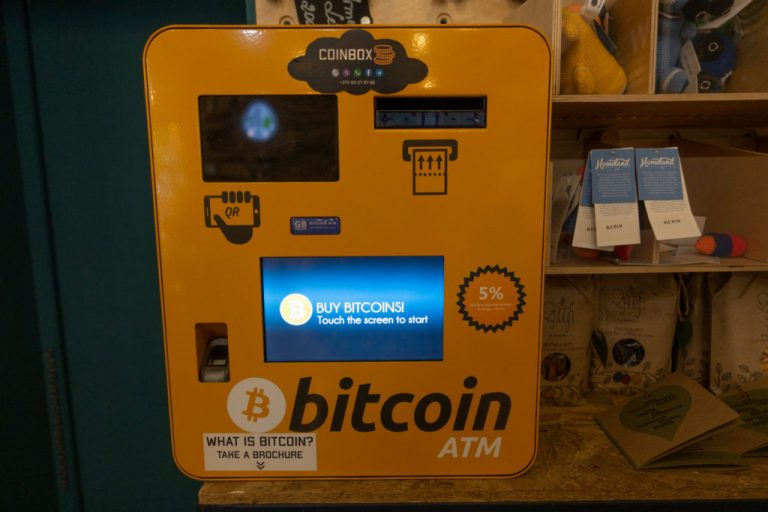
Bitcoin kiosks are revolutionizing the way individuals interact with cryptocurrency, bringing ease and accessibility to the forefront of digital finance. Whether you’re a seasoned trader or a curious newcomer, these self-service machines offer a seamless way to buy and sell Bitcoin without the hassles of traditional exchanges.
Since Bitcoin’s inception, the evolution of these kiosks has been remarkable, adapting to the growing demand for cryptocurrency transactions. With various types available, each offering unique operational features, bitcoin kiosks stand as a testament to innovation in the financial landscape.
Overview of Bitcoin Kiosks
Bitcoin kiosks, often referred to as Bitcoin ATMs, are physical devices that allow users to buy or sell Bitcoin and other cryptocurrencies using cash or debit/credit cards. These kiosks serve as a vital point of access for individuals looking to engage in cryptocurrency transactions without the need for a traditional exchange platform. Their primary function is to facilitate quick and convenient trades, contributing to the overall liquidity and accessibility of the cryptocurrency market.The history of Bitcoin kiosks dates back to 2013, when the first Bitcoin ATM was installed in Vancouver, Canada.
Since then, the technology has evolved significantly, with a steady increase in the number of kiosks globally. Initially, these kiosks supported only Bitcoin transactions, but advancements have allowed for the inclusion of multiple cryptocurrencies. As of recent data, there are thousands of Bitcoin kiosks operating worldwide, reflecting the growing interest and acceptance of cryptocurrencies among the general public.
Main Types of Bitcoin Kiosks
Understanding the different types of Bitcoin kiosks available in the market is important for users looking to engage with cryptocurrencies. Each type has its unique operational differences and functionalities:
- Two-Way Bitcoin Kiosks: These kiosks allow users to both buy and sell Bitcoin, providing maximum flexibility. Users can convert cash into Bitcoin and vice versa, making them a popular choice for individuals looking for straightforward transactions.
- One-Way Bitcoin Kiosks: These machines are designed solely for buying Bitcoin. Users can only deposit cash or use debit/credit cards to purchase Bitcoin, making them simpler but less versatile than two-way kiosks.
- Online Bitcoin Kiosks: These kiosks operate similarly to traditional Bitcoin ATMs but are managed online. Users can interact with the kiosk digitally, often through a mobile app or website, and can choose to have their purchases delivered to a digital wallet or engage directly with the kiosk for instant transactions.
The operational differences between these types of kiosks can have significant implications for user experience. For example, two-way kiosks typically offer a wider range of transaction options, while one-way kiosks may have lower transaction fees. Additionally, online kiosks can cater to a more tech-savvy demographic who prefer digital interactions over physical engagement.
“Bitcoin kiosks play an essential role in bridging the gap between traditional finance and the burgeoning world of cryptocurrencies.”
Benefits of Using Bitcoin Kiosks
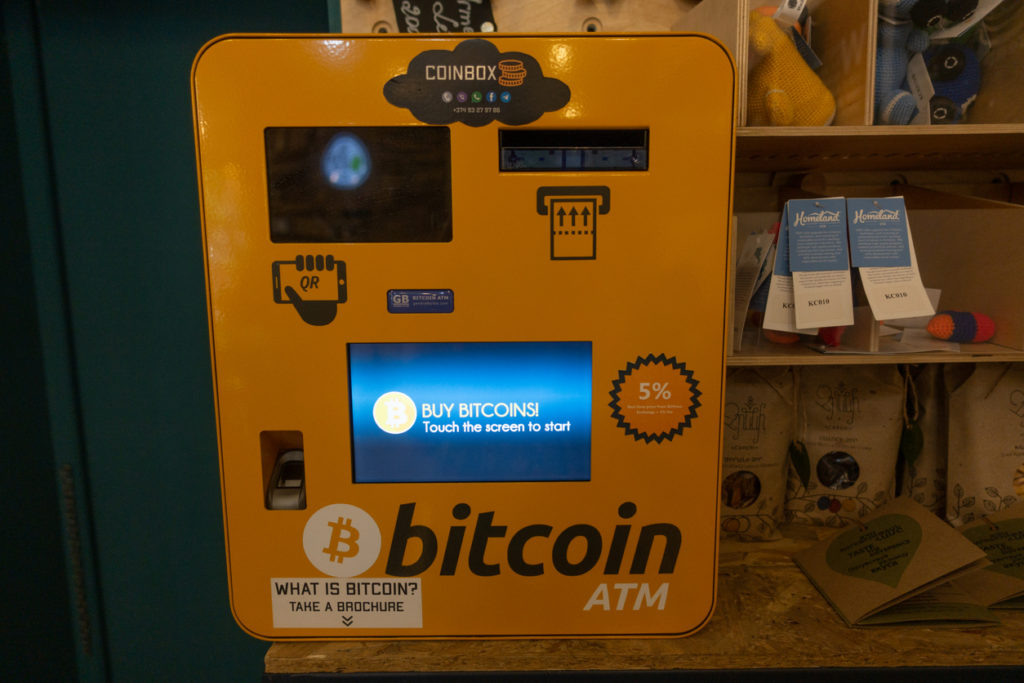
Bitcoin kiosks offer a range of advantages for users looking to purchase cryptocurrency conveniently and securely. These self-service machines are designed to simplify the process of acquiring Bitcoin and other digital currencies, making it accessible to various users, from seasoned investors to newcomers.One of the primary benefits of using bitcoin kiosks is the straightforward and user-friendly experience they provide. Unlike traditional cryptocurrency exchanges that often require lengthy registration processes and complicated verification steps, bitcoin kiosks enable users to make transactions quickly and efficiently.
Users can simply approach the kiosk, follow the on-screen prompts, and complete their purchases in a matter of minutes. This ease of use is especially appealing to those who may be intimidated by technology or unfamiliar with cryptocurrency trading.
Convenience Factors of Bitcoin Kiosks
The convenience provided by bitcoin kiosks is notable. These machines are typically located in high-traffic areas such as malls, convenience stores, and gas stations, allowing users to access them at their convenience. Below are key convenience factors:
- Accessibility: Bitcoin kiosks are often available 24/7, providing users with the flexibility to purchase cryptocurrency at any time without being restricted by the hours of operation typical of traditional exchanges.
- Cash Transactions: Many kiosks accept cash, which is particularly beneficial for users who prefer to avoid linking bank accounts or credit cards to their cryptocurrency purchases.
- Immediate Transactions: Unlike some online exchanges that can experience delays due to banking hours or processing times, bitcoin kiosks usually facilitate instant transactions, allowing users to receive their cryptocurrency immediately.
- Privacy: Kiosks often require minimal personal information to operate, offering a level of privacy that is not always available in traditional exchanges that necessitate extensive identity verification.
Comparison with Traditional Cryptocurrency Exchanges
When comparing bitcoin kiosks to traditional cryptocurrency exchanges, several advantages stand out. Traditional exchanges require users to create accounts, undergo identity verification, and navigate complex interfaces. In contrast, bitcoin kiosks streamline this process significantly. Key comparative benefits include:
- Simplicity: The direct interface of a kiosk eliminates the need for understanding advanced trading features that can overwhelm new users on exchanges.
- No Hidden Fees: Kiosks typically have transparent fee structures displayed upfront, while traditional exchanges may have hidden fees that can complicate the buying process.
- No Technical Requirements: Users do not need to install software or apps, making it more accessible for those who may lack technical skills.
- Physical Interaction: Kiosks provide a physical touchpoint for users who prefer face-to-face transactions over virtual interactions.
“The ease of access and straightforward design of bitcoin kiosks make them an appealing alternative to the more complex world of online exchanges.”
Popular Bitcoin Kiosk Providers
Bitcoin kiosks have become an integral part of the cryptocurrency landscape, simplifying the process of buying and selling Bitcoin for users around the globe. As the demand for accessible cryptocurrency transactions increases, several providers have emerged, each offering unique features, services, and geographic coverage. This section will explore some of the most notable Bitcoin kiosk providers, shedding light on their strengths, geographic reach, and user feedback.
Notable Bitcoin Kiosk Providers and Their Features
The following table highlights some of the leading Bitcoin kiosk providers, detailing their key features and services. Understanding these aspects can help users make informed decisions when choosing a kiosk.
| Provider | Features | Services Offered |
|---|---|---|
| CoinMe | Wide network coverage, user-friendly interface, mobile app integration | Buy and sell Bitcoin, cash transactions |
| General Bytes | Multi-currency support, customizable interface | Buy/sell Bitcoin, wallet services, API integration |
| BitAccess | Instant transactions, high-level security | Buy and sell Bitcoin, cash-to-crypto services |
| CoinCloud | High transaction limits, multiple cryptocurrency options | Buy/sell cryptocurrencies, wallet services |
| Bitstop | User-friendly touchscreen, email receipts | Buy Bitcoin, cash transactions |
Geographic availability plays a crucial role in the effectiveness of Bitcoin kiosks. Many of these providers have established their networks in prominent areas, while others are expanding rapidly to reach underserved locations. The following overview summarizes the geographic coverage of several popular Bitcoin kiosk brands:
- CoinMe: Primarily located in the United States, with plans for international expansion.
- General Bytes: Operates globally with a significant presence in Europe, North America, and parts of Asia.
- BitAccess: Strong presence across Canada and the United States, with growing international reach.
- CoinCloud: Focused on the U.S. market but expanding into Latin America.
- Bitstop: Mainly operates in the United States, particularly in urban areas.
User reviews and ratings provide valuable insights into the performance and reliability of these Bitcoin kiosk providers. Compiling user feedback can help potential users gauge the overall experience they can expect. Here is an overview of some user sentiments regarding popular Bitcoin kiosk providers:
“CoinMe kiosks are everywhere in my city, and I’ve had a positive experience each time. Easy to use!” – User Review
“General Bytes has a great customer service team and their kiosks are reliable.” – User Review
“BitAccess has allowed me to buy Bitcoin with confidence, but I wish they had more locations.” – User Review
These reviews indicate that while many users appreciate the convenience and accessibility of these kiosks, there is still room for improvement in terms of geographic coverage and customer support across different providers.
Security Measures in Bitcoin Kiosks
Bitcoin kiosks have revolutionized the way users buy and sell cryptocurrencies. However, with their growing popularity, ensuring the security of user transactions has become paramount. Various security measures are employed by these kiosks to safeguard against potential threats, making them a trustworthy option for those venturing into the world of Bitcoin.One of the primary security protocols employed by Bitcoin kiosks is end-to-end encryption, which protects sensitive user data as it travels between the kiosk and the blockchain.
This means that any information passed back and forth is scrambled, making it nearly impossible for hackers to intercept and read it. Additionally, multi-factor authentication (MFA) has become a standard practice, requiring users to verify their identity through multiple means before completing transactions.
Common Vulnerabilities and Mitigation Strategies
Despite the advanced security protocols, Bitcoin kiosks are not immune to vulnerabilities. Common issues include physical theft, software vulnerabilities, and cyberattacks. Addressing these challenges is crucial for maintaining user confidence.To mitigate these risks, kiosk operators often implement several strategies:
- Physical Security: Kiosks are often equipped with surveillance cameras and alarm systems to deter theft and vandalism. Their placement in well-lit, monitored areas further enhances their security.
- Regular Software Updates: Keeping the kiosk’s software up-to-date helps patch any known vulnerabilities, reducing the risk of exploitation by cybercriminals.
- User Education: Informing users about safe practices, such as recognizing phishing scams or avoiding public Wi-Fi when making transactions, contributes to overall security.
Implementing these strategies can greatly reduce the likelihood of security breaches, ensuring a safer environment for users.
Examples of Successful Security Implementations
Several Bitcoin kiosk providers have successfully integrated advanced security measures. For instance, General Bytes, a leading provider, employs a combination of hardware security modules (HSM) and cold storage for private keys, significantly reducing the risk of key theft. This approach ensures that even if the kiosk is compromised, the keys to the Bitcoin wallets remain secure.Another notable example is CoinCloud, which has implemented biometric authentication features, such as fingerprint scanners, in some of its kiosks.
This not only adds an extra layer of security but also enhances user experience by making transactions quicker and more secure.In summary, while Bitcoin kiosks face inherent vulnerabilities, the combination of robust security protocols and proactive measures contributes to a safer user experience. By staying informed and employing best practices, both kiosk operators and users can help ensure the integrity of their transactions.
User Experience and Interaction
Engaging with a bitcoin kiosk can be an intriguing experience for both novice and experienced users alike. The design and functionality of these kiosks are tailored to create a seamless interaction, ensuring that users can easily buy or sell bitcoin without extensive technical knowledge. Understanding the typical user journey is essential to appreciate the value these kiosks bring to the cryptocurrency landscape.The user journey typically begins with locating a nearby bitcoin kiosk.
This can often be done through a mobile application or online mapping service that displays all available kiosks in the vicinity. Once at the kiosk, users will usually start by selecting the type of transaction they wish to perform—whether buying or selling bitcoin. The interface is designed to be intuitive, guiding users step-by-step through the process, which often includes identity verification, entering the transaction amount, and confirming the transaction.
User Feedback on Kiosk Experiences
User feedback is crucial for understanding the overall experience of using bitcoin kiosks. Many users appreciate the convenience and accessibility these kiosks offer. Common feedback highlights include:
-
“I love how easy it is to buy bitcoin on the go. The kiosk was right around the corner, and the process took just a few minutes.”
-
“The kiosk interface was straightforward, and I felt secure completing my transaction.”
-
“I had a minor issue with the QR code scanning, but the kiosk staff were helpful and resolved it quickly.”
While there are positive experiences, users also encounter challenges. Issues such as technical glitches, long wait times during peak hours, and confusion due to unclear instructions on the kiosk screens have been reported.
Challenges and Suggested Solutions
Although bitcoin kiosks are designed for ease of use, some challenges persist. Addressing these concerns can enhance user experience significantly. Common challenges include:
- Technical malfunction of the kiosk, leading to transaction failures or delays.
- Insufficient staff availability for assistance, particularly during busy periods.
- Complex instructions that may overwhelm first-time users.
To overcome these challenges, several proactive solutions can be implemented:
- Regular maintenance checks and software updates for kiosks to minimize technical issues.
- Training staff to ensure they can provide quick assistance and clear guidance to users.
- Improving user interface design, with simple language and visual aids to enhance understanding.
By focusing on user feedback and addressing challenges head-on, bitcoin kiosks can continue to evolve and meet the needs of users, making cryptocurrency transactions more accessible for everyone.
Regulatory and Compliance Aspects
The regulatory landscape for Bitcoin kiosks is evolving, reflecting the growing integration of cryptocurrency into mainstream financial systems. Operators of Bitcoin kiosks must navigate a complex web of regulations that vary significantly from one jurisdiction to another. This section explores the legal requirements and compliance measures necessary for kiosk operators, shedding light on the implications of these regulations for their operations.
Legal Landscape Surrounding Bitcoin Kiosks
The legal status of Bitcoin kiosks hinges on the broader regulatory environment for cryptocurrency in various countries. The legitimacy and acceptance of Bitcoin kiosks vary, with some nations embracing them and others imposing stringent restrictions.
- United States: In the U.S., Bitcoin kiosks are subject to both federal and state regulations. Operators must register as money services businesses (MSBs) and comply with anti-money laundering (AML) and know your customer (KYC) regulations mandated by the Financial Crimes Enforcement Network (FinCEN). Each state also has its own licensing requirements, leading to a patchwork of regulations across the country.
- European Union: The EU has made significant strides towards uniform regulations with the 5th Anti-Money Laundering Directive (5AMLD). This directive requires kiosk operators to register and comply with KYC processes, ensuring they report suspicious activities and prevent money laundering.
- United Kingdom: The UK Financial Conduct Authority (FCA) oversees Bitcoin kiosks, requiring them to adhere to AML regulations. Operators must be registered with the FCA and implement robust KYC protocols.
- Australia: The Australian Transaction Reports and Analysis Centre (AUSTRAC) regulates cryptocurrency exchanges and kiosks. Operators must register and comply with AML/CTF (Counter-Terrorism Financing) laws, including customer verification processes.
Compliance Requirements for Operators
Compliance is a critical element for the smooth operation of Bitcoin kiosks. Operators must implement various practices to meet legal obligations and avoid penalties.
- KYC Procedures: Operators must collect and verify customer identities before allowing transactions. This often involves collecting personal information and validating customer documents.
- Transaction Reporting: Most jurisdictions require operators to report large transactions and any suspicious activities to relevant authorities.
- Record Keeping: Operators must maintain accurate records of transactions and customer interactions for a specified period, often ranging from five to seven years.
- Staff Training: Employees must be trained on compliance protocols, including recognizing signs of money laundering and understanding the legal obligations of the business.
Impact of Regulations on Kiosk Operations
Regulatory frameworks directly influence the operational dynamics of Bitcoin kiosks. Understanding these impacts can help operators strategize effectively.
- Market Entry Barriers: Stringent regulations can create high barriers for new entrants, limiting competition and innovation in the sector.
- Operational Costs: Compliance requirements often lead to increased operational costs for kiosk operators, as they must invest in technology, staff training, and legal consultations to meet regulatory standards.
- Consumer Trust: Well-regulated environments can boost consumer confidence in Bitcoin kiosks, leading to higher usage rates. Conversely, a lack of regulation can deter potential users concerned about security and legitimacy.
- Geographical Limitations: The variation in regulations by country or region can restrict operators from expanding their services across borders, affecting their market reach.
Future Trends in Bitcoin Kiosks
The evolution of Bitcoin kiosks is poised to take a significant leap forward as emerging technologies and changing market dynamics shape the landscape. As adoption rates for cryptocurrencies increase, the future of Bitcoin kiosks appears promising, driven by advancements that enhance user experience, security, and accessibility.Emerging technologies such as artificial intelligence (AI), blockchain innovations, and the Internet of Things (IoT) are expected to play a crucial role in the development of Bitcoin kiosks.
AI can enable more intuitive user interfaces, allowing kiosks to learn from user behavior and make personalized recommendations. Blockchain advancements could improve transaction efficiency, while IoT integration could facilitate real-time monitoring and maintenance of kiosk operations.
Market Growth and Adoption Rates
The market for Bitcoin kiosks is projected to experience substantial growth over the coming years. As cryptocurrencies gain mainstream acceptance, more consumers will seek convenient methods to buy and sell digital assets. According to industry reports, the global Bitcoin ATM market could reach upwards of $1 billion by 2025, fueled by increasing demand and technological improvements.Investments in Bitcoin kiosks are likely to boost their presence in urban centers, retail locations, and events, providing easy access for both seasoned traders and newcomers.
This expansion is expected to correlate with rising cryptocurrency usage, as educational efforts help demystify digital assets, encouraging more individuals to engage with them through kiosks.
Anticipated Features of Future Bitcoin Kiosks
As the technology supporting Bitcoin kiosks evolves, several features can be anticipated in future models. These advancements will enhance user experience, streamline transactions, and improve security. The following features are expected to be integrated:
- Multi-Currency Support: Future kiosks will likely facilitate transactions in various cryptocurrencies, catering to a broader audience.
- Enhanced Security Features: Incorporating biometric authentication and advanced encryption methods will ensure safer transactions.
- Real-Time Exchange Rates: Kiosks may provide live updates on cryptocurrency prices, allowing users to make informed decisions.
- User-Friendly Interfaces: Improvements in design, powered by AI, will create more intuitive interactions for users.
- Integration with Digital Wallets: Future kiosks may allow seamless transactions between the kiosk and users’ digital wallets, simplifying the process.
- Regulatory Compliance Tools: Built-in features to comply with local regulations will ensure that kiosks operate within legal frameworks.
These anticipated features reflect a growing trend towards making Bitcoin kiosks more accessible and user-friendly, ultimately promoting higher adoption rates among the general public.
Last Recap
In summary, bitcoin kiosks provide a practical solution for anyone looking to engage with cryptocurrency in a straightforward manner. As technology continues to advance and regulations evolve, the future looks promising for these kiosks, paving the way for broader adoption and enhanced user experiences.
Top FAQs
What is a bitcoin kiosk?
A bitcoin kiosk is a self-service machine that allows users to buy and sell Bitcoin and sometimes other cryptocurrencies using cash or credit cards.
Are bitcoin kiosks safe to use?
Yes, bitcoin kiosks implement various security measures to protect transactions, although users should remain vigilant about potential vulnerabilities.
How do I find a bitcoin kiosk near me?
You can use online tools or mobile apps that provide locations of nearby bitcoin kiosks based on your current location.
What are the fees associated with using a bitcoin kiosk?
Fees vary by provider but typically include transaction fees and possibly a service fee for using the kiosk.
Can I sell Bitcoin at a kiosk?
Yes, many bitcoin kiosks allow users to sell Bitcoin and withdraw cash, depending on the specific machine’s capabilities.